- Asia University
- Faculty
- Faculty of Economics
- Department of Economics
- Class/Special Lecture
Class/Special Lecture
PAGE SECTIONS
Class introduction

Japanese economy
here is the point
Based on the practical experience of a central government economist
Approaching the essence of the economic issues facing the country
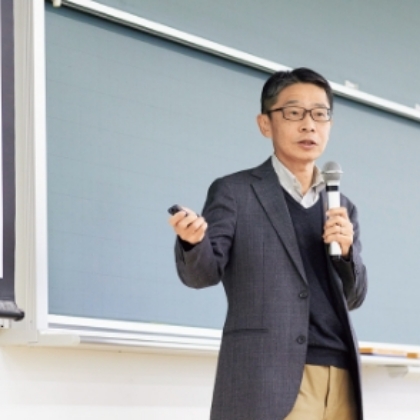
Teacher in charge: IBARAGI HideyukiApproaching the essence of the economic issues facing the country
As a staff member in charge of economic and fiscal affairs at the Cabinet Office, I have been involved in economic and fiscal policy planning and economic analysis for over 30 years. Based on his practical experience, he has learned about the background of population decline and sluggish economic growth due to the declining birthrate and aging population, as well as solutions to raise the economic growth rate and make public finances and social security sustainable. Explaining various issues. We support students in developing their own ideas. Please acquire the ability to detect and analyze current events (trends) and the ``insight'' of looking at the economy, and put them to use in the real world.
Asian business and economy
here is the point
Faculty of Economics develops Asian and global human resources who can play an active role in Asia, which has become the center of the world economy. We hold Lecture taught by experienced guest speakers who will teach you the knowledge you need to successfully apply what you learn at university in the field. Lecture is recommended for students who want to work in Asia or overseas in the future.
Learn from people in the industry and become a global human resource who “knows the worksite”
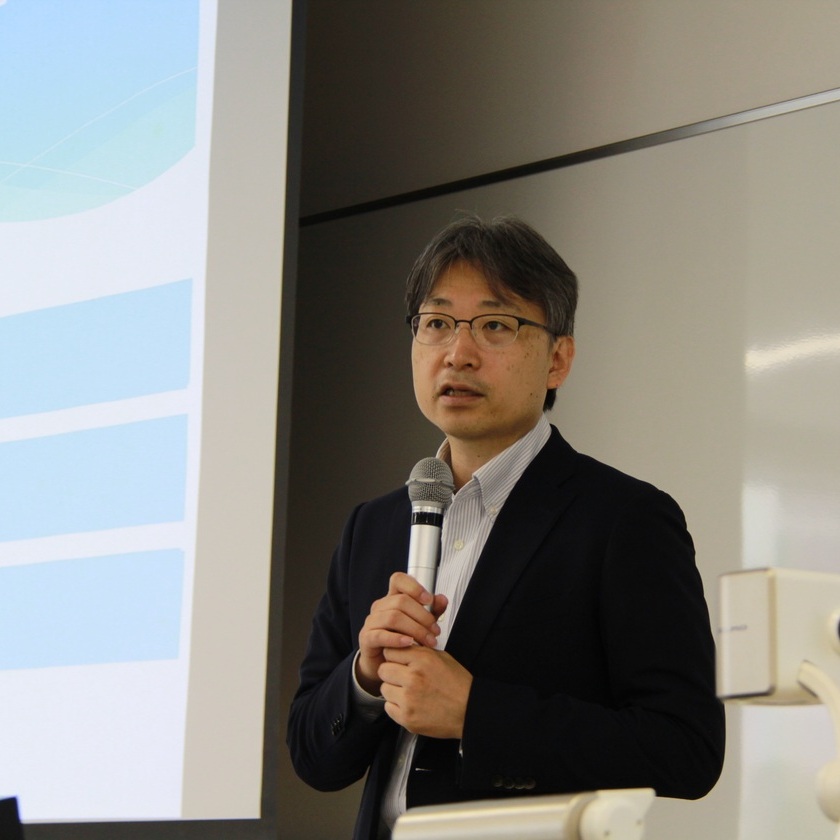
Teacher in charge: FUDA KojiFaculty of Economics develops Asian and global human resources who can play an active role in Asia, which has become the center of the world economy. We hold Lecture taught by experienced guest speakers who will teach you the knowledge you need to successfully apply what you learn at university in the field. Lecture is recommended for students who want to work in Asia or overseas in the future.
Asian economic history
here is the point
Learn from a historical perspective how Asian countries are related to Japan and the world economy, and how they have developed. Learn about economic characteristics shaped during the colonial era and economic development under the development system. By looking at the Asian economy from a long-term perspective, we aim to gain a deep understanding of the Asian economy and insight into the challenges it faces.
Exploring the history of Asian economic development
Teacher in charge: MIZUNO AsukaLearn from a historical perspective how Asian countries are related to Japan and the world economy, and how they have developed. Learn about economic characteristics shaped during the colonial era and economic development under the development system. By looking at the Asian economy from a long-term perspective, we aim to gain a deep understanding of the Asian economy and insight into the challenges it faces.
labor economics
here is the point
In our lives, most of our time is spent working. Therefore, various labor-related issues are very familiar and important to us. For example, how do pension, health insurance, and long-term care insurance premiums affect the labor market? How will the quality of labor and wages change as the number of workers working as part-time, contract, and temporary employees increases? How has the environment surrounding women's labor changed over the past 20 years? In this class, we will learn how to think about such problems using the ideas of economics.
various issues surrounding labor,
Learning from an Economics Perspective
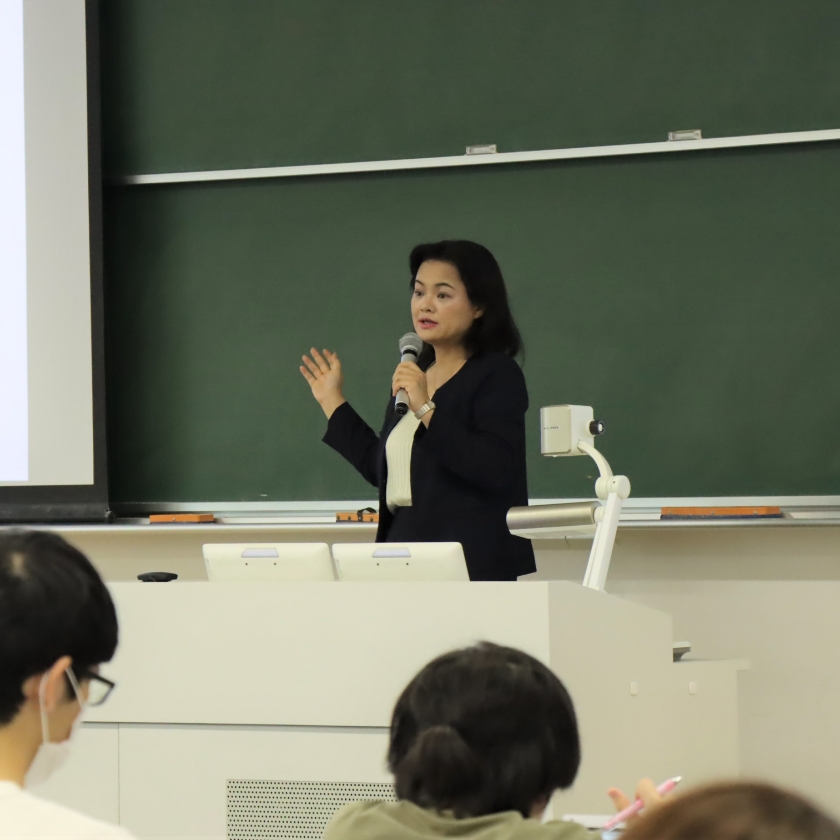
Teacher in charge: KENJOH EikoLearning from an Economics Perspective
In our lives, most of our time is spent working. Therefore, various labor-related issues are very familiar and important to us. For example, how do pension, health insurance, and long-term care insurance premiums affect the labor market? How will the quality of labor and wages change as the number of workers working as part-time, contract, and temporary employees increases? How has the environment surrounding women's labor changed over the past 20 years? In this class, we will learn how to think about such problems using the ideas of economics.
public economics
here is the point
Market mechanisms are important, but they are not a panacea. When the private market does not function efficiently, or ``market failure,'' the government attempts to improve resource allocation through the provision of public services. On the other hand, the government's economic policies inevitably have costs and limitations. In Japan, where the public debt is the largest in the world, we will consider the significance and role of the government's economic activities.
"Market Failure" or "Government Failure"? : Learn the role and limits of government
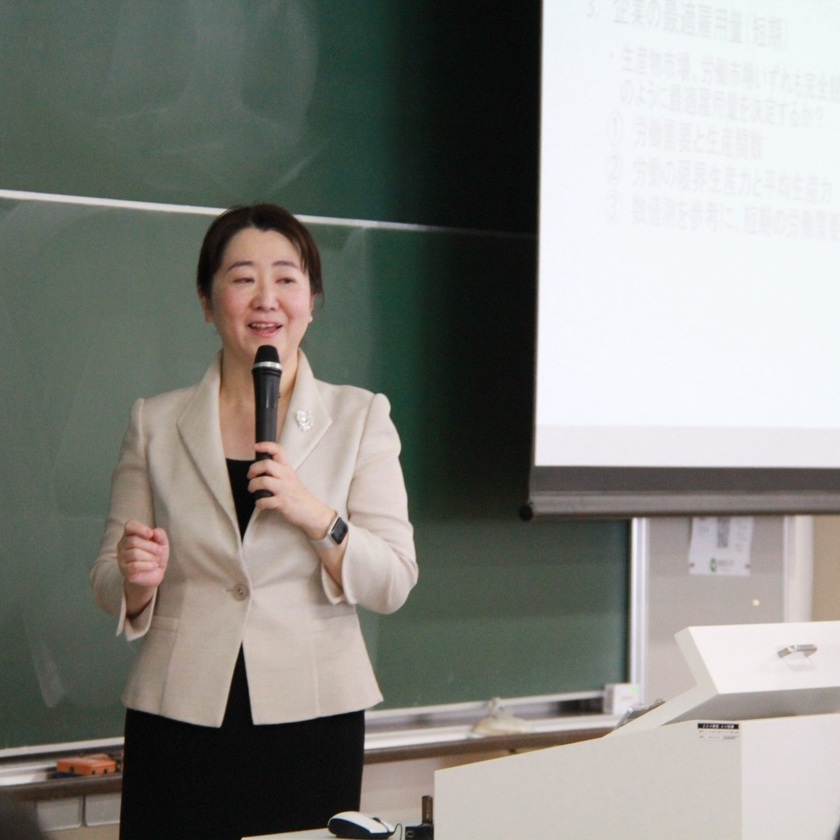
Teacher in charge: KOTERA GoMarket mechanisms are important, but they are not a panacea. When the private market does not function efficiently, or ``market failure,'' the government attempts to improve resource allocation through the provision of public services. On the other hand, the government's economic policies inevitably have costs and limitations. In Japan, where the public debt is the largest in the world, we will consider the significance and role of the government's economic activities.
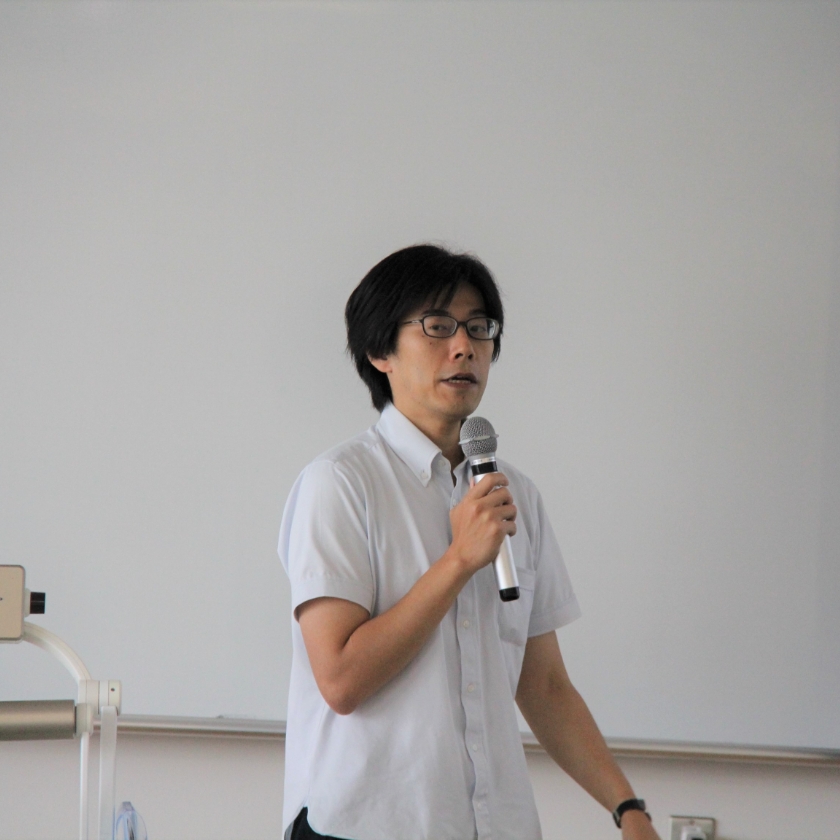
Economic Statistics Analysis I・II
here is the point
Analysis of economic data is primarily about examining relationships between data. In Lecture, students will use Excel to practically learn how to use and analyze economic data found on the Internet and in Library (Library Administration) materials. The goal is to be able to handle the data used in economics classes and economic articles on your own. You will also learn about the various purposes for collecting data, and some techniques that can be useful for data mining opportunities to discover some characteristics after collection. By using actual Japanese economic data, you will learn the basics of visualizing characteristics that cannot be seen at first glance.
Visualizing the economy from data
Teacher in charge: TANIAI HiroyukiAnalysis of economic data is primarily about examining relationships between data. In Lecture, students will use Excel to practically learn how to use and analyze economic data found on the Internet and in Library (Library Administration) materials. The goal is to be able to handle the data used in economics classes and economic articles on your own. You will also learn about the various purposes for collecting data, and some techniques that can be useful for data mining opportunities to discover some characteristics after collection. By using actual Japanese economic data, you will learn the basics of visualizing characteristics that cannot be seen at first glance.
|STUDENT'S VOICE|

Seriously!
Mr. K
Faculty Faculty of Economics Department of Economics 4th year
#Local Enthusiast
Faculty Faculty of Economics Department of Economics 4th year
#Local Enthusiast
Learning about social issues as a civil servant
take advantage of local
Through [Specialized Seminar II], I explored Japan's social issues and their solutions, and thought about what I should do and what I can do now. Through student-centered seminar activities, I also acquired independence. After graduating, I will work at the city hall in my hometown, Saitama. I want to do my best for the city and become a person who is trusted by the citizens and my co-workers.take advantage of local

special Lecture
Current Status and Prospects of the Japanese Economy
here is the point
Top-level Lecturer from government agencies, companies, and major research institutions (think tanks) who are involved in practical work on the ground will take turns on a weekly basis Lecture on the current state and prospects of the Japanese economy from an expert perspective. You can deepen your insight into various industries and companies and experience the dynamic movements of the economy firsthand.
From the standpoint of an expert,
Learn the current situation and prospects
Teacher in charge: IBARAGI HideyukiLearn the current situation and prospects
Top-level Lecturer from government agencies, companies, and major research institutions (think tanks) who are involved in practical work on the ground will take turns on a weekly basis Lecture on the current state and prospects of the Japanese economy from an expert perspective. You can deepen your insight into various industries and companies and experience the dynamic movements of the economy firsthand.
Corporate Theory I
here is the point
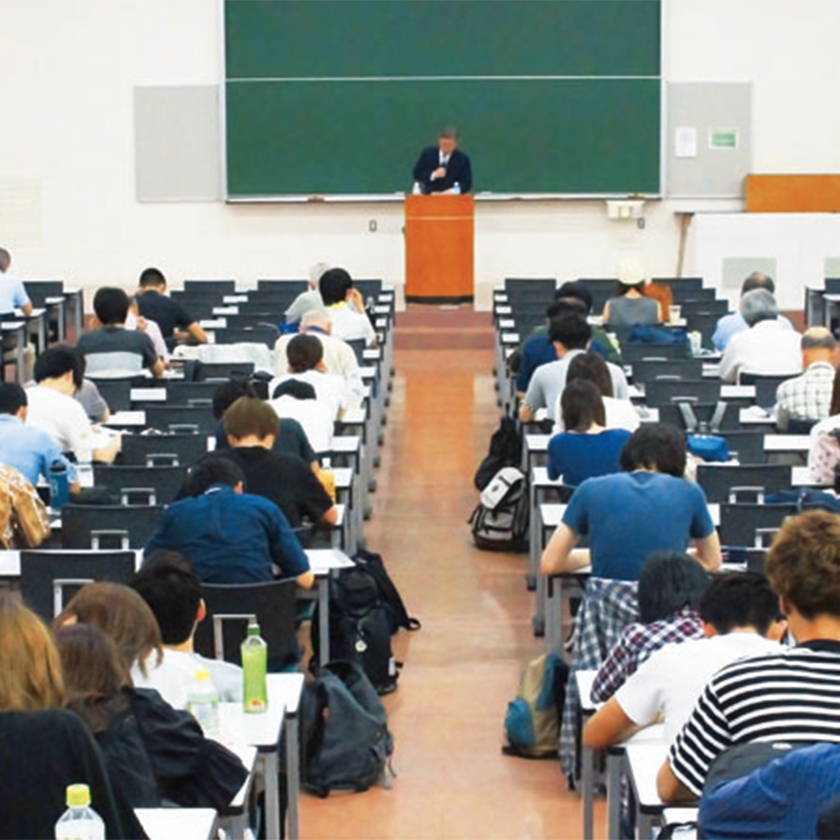
A special Lecture held by inviting representative directors, human resources personnel, human resources development personnel, etc. from member companies of the Tokyo Management Association. Students will deepen their practical knowledge of the economy and society through real-life stories from business situations, and increase their awareness of how to respond to rapid technological innovation and globalization of society.
Learn about the real economy and society from top management and human resources
Teacher in charge: IBARAGI HideyukiA special Lecture held by inviting representative directors, human resources personnel, human resources development personnel, etc. from member companies of the Tokyo Management Association. Students will deepen their practical knowledge of the economy and society through real-life stories from business situations, and increase their awareness of how to respond to rapid technological innovation and globalization of society.
Students' career options, occupations, and company choices are also relevant
Currently, students' job hunting activities are carried out through processes such as "company information session", "submission of ES (entry sheet)", "written examination", and "more than three interviews" (schedule and contents vary depending on the company). are different). The purpose of this Lecture is to provide information on companies and industries so that students can respond appropriately to job hunting.
(Updated July 20, 2023)
Department of Economics