
Young people and the community
How
Will it connect?
How
Will it connect?
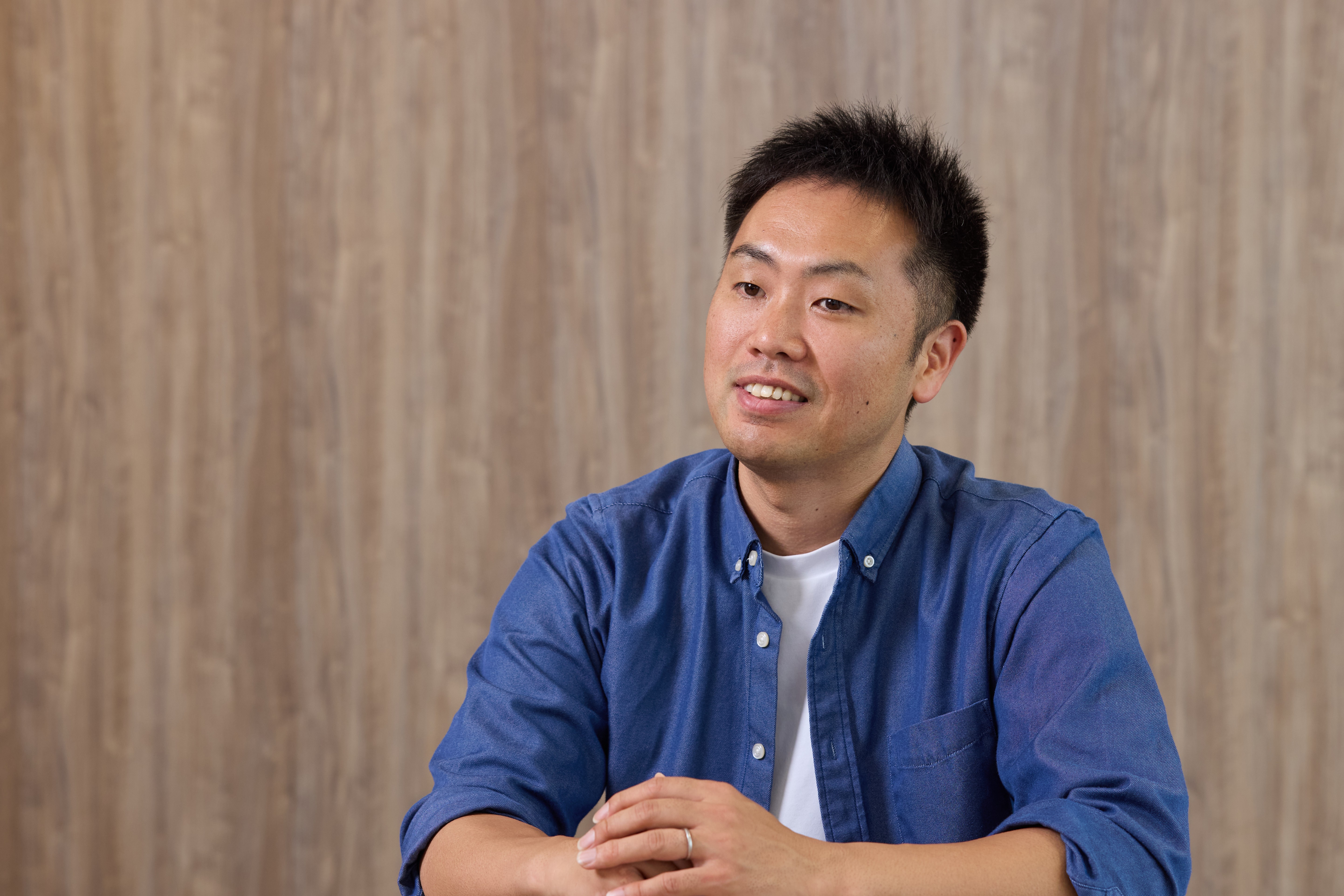
#Asia University research
Lecturer Hodai Iwagaki
Faculty of Sociology Department of Contemporary Sociology
2026.08.01
In our series "If it's not interesting, it's not scholarship!", we introduce research and anecdotes of faculty members at Asia University. Our 23rd featured guest is Lecturer Hodai Iwagaki of the Department of Contemporary Society, Faculty of Sociology.
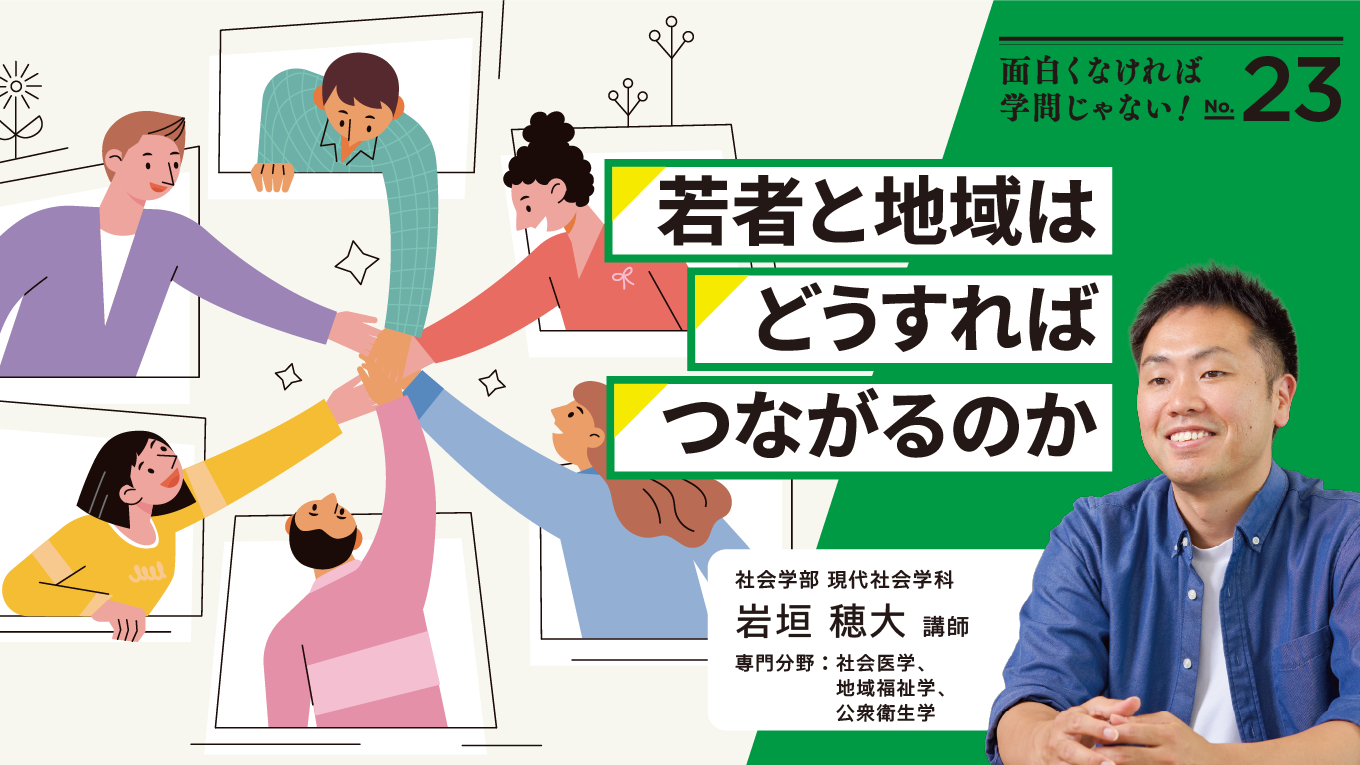
My starting point as research who considers urban development was the Great East Japan Earthquake.
On the other hand, I also enjoyed visiting unfamiliar places. During my university years, I traveled extensively as a backpacker, mainly in Southeast Asia, experiencing diverse cultures and the lifestyles of various people. These experiences later formed an important foundation for research into regions and communities.
The Great East Japan Earthquake of March 11, 2011, was a major turning point that led me to pursue a career as research. At the time, I was Junior university student studying community welfare and public health, and I was in the midst of job hunting. However, the earthquake severely shook Japanese society, and companies postponed their recruitment activities. Witnessing the horrific situation in the affected areas through television and newspapers, I felt compelled to help, and I went to Ishinomaki City and Onagawa Town in Miyagi Prefecture as a volunteer to support reconstruction efforts.
While living in a tent in the disaster-stricken area, I engaged in activities such as clearing rubble and removing mud. During my approximately three months of volunteer work, I was confronted with the reality of a region that had lost its daily life in an instant due to the tsunami. There were times when I felt powerless in the face of the vast disaster area, but at the same time, I was deeply moved by the sight of people striving to move forward towards reconstruction. Through this experience, my desire to "support people facing difficulties and contribute to society" grew stronger, and I decided to pursue Graduate School studies.
I specialized in social medicine in Graduate School and earned a PhD in Human Sciences. I also obtained qualifications as a social worker and a mental health social worker, building a foundation for addressing social issues from both research and practical perspectives.
Leveraging a career in social welfare to explore the power of local communities.
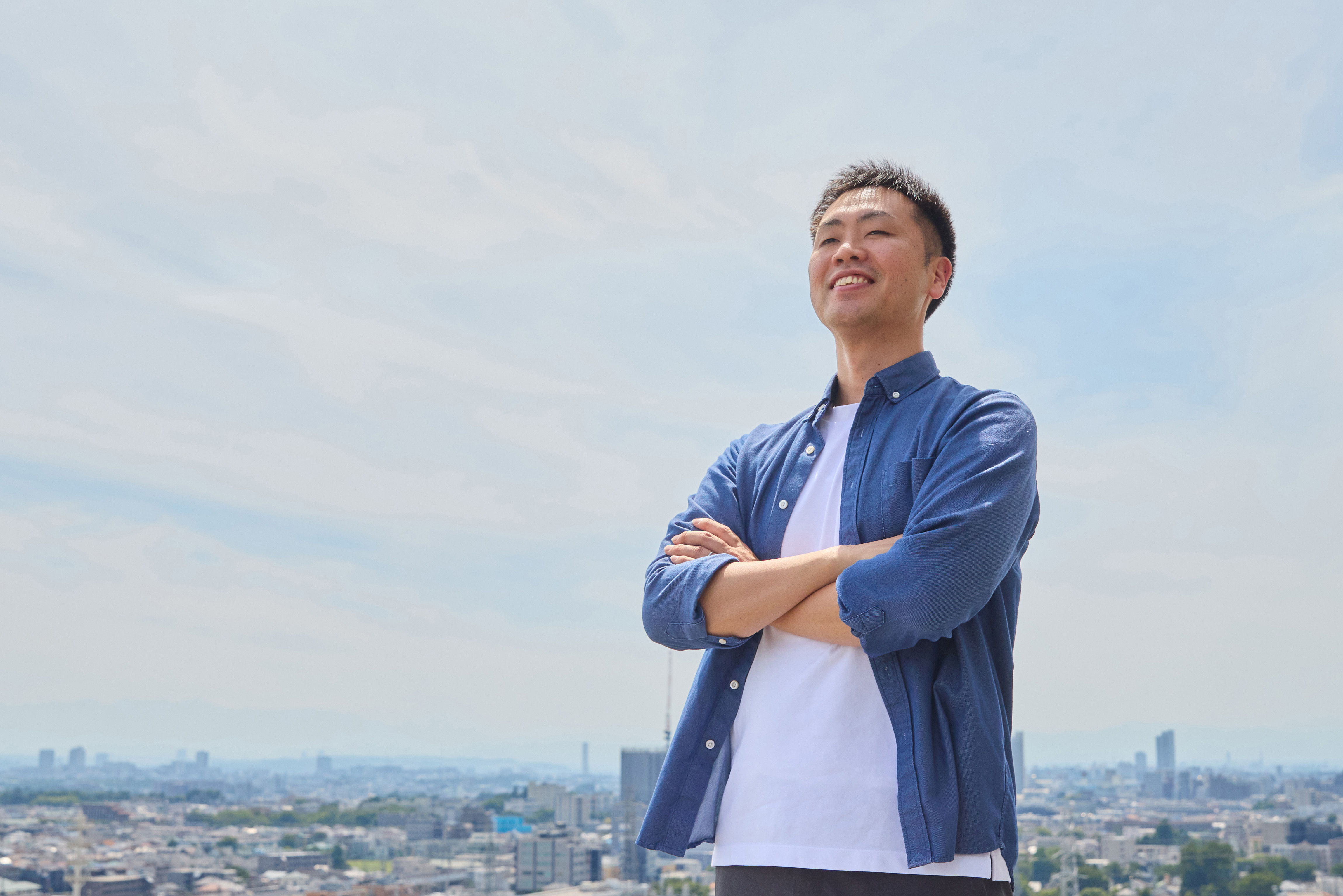
After graduating Graduate School, I worked at the Tokorozawa City Social Welfare Council, where I was involved in supporting people in poverty, running children's cafeterias, and managing community-based integrated care centers. Through receiving various consultations on the ground, I realized that there are problems that cannot be solved by systems and services alone. Many problems, such as the isolation of the elderly, anxiety among families raising children, poverty, and the weakening of community ties, are deeply connected to interpersonal relationships.
For example, there are many systems and services that support families raising children, such as childcare centers and children's cafeterias. However, not everyone can actively utilize them on their own. It can be very stressful to participate in a new community for the first time, and sometimes people simply don't know about these systems and services. In such situations, it would be wonderful if someone reached out to them or invited them to go together. Such small things can be the trigger for a change in behavior. I feel that there is a lot of such thoughtfulness and consideration within local communities. Through my experience in the field, I have come to believe that enriching the local community itself is important for building a foundation for welfare.
Therefore, I decided to pursue a career as a research, leveraging my practical experience at the Social Welfare Council. My current research topics include local communities, urban development, support for people in poverty, children's cafeterias, and social prescribing.
I am particularly interested in "social capital" in local communities. This concept posits that fostering cooperative behavior, such as trust, networks, and norms among people, can enhance the efficiency of society. In communities rich in social capital, people naturally help each other, making isolation and loneliness less likely. It is also known to have a positive impact on improving health and well-being, as well as revitalizing the local economy. From this perspective, I am exploring ways to create sustainable communities in super-aging and declining population societies.
For example, there are many systems and services that support families raising children, such as childcare centers and children's cafeterias. However, not everyone can actively utilize them on their own. It can be very stressful to participate in a new community for the first time, and sometimes people simply don't know about these systems and services. In such situations, it would be wonderful if someone reached out to them or invited them to go together. Such small things can be the trigger for a change in behavior. I feel that there is a lot of such thoughtfulness and consideration within local communities. Through my experience in the field, I have come to believe that enriching the local community itself is important for building a foundation for welfare.
Therefore, I decided to pursue a career as a research, leveraging my practical experience at the Social Welfare Council. My current research topics include local communities, urban development, support for people in poverty, children's cafeterias, and social prescribing.
I am particularly interested in "social capital" in local communities. This concept posits that fostering cooperative behavior, such as trust, networks, and norms among people, can enhance the efficiency of society. In communities rich in social capital, people naturally help each other, making isolation and loneliness less likely. It is also known to have a positive impact on improving health and well-being, as well as revitalizing the local economy. From this perspective, I am exploring ways to create sustainable communities in super-aging and declining population societies.
What kind of "region" is chosen by young people?
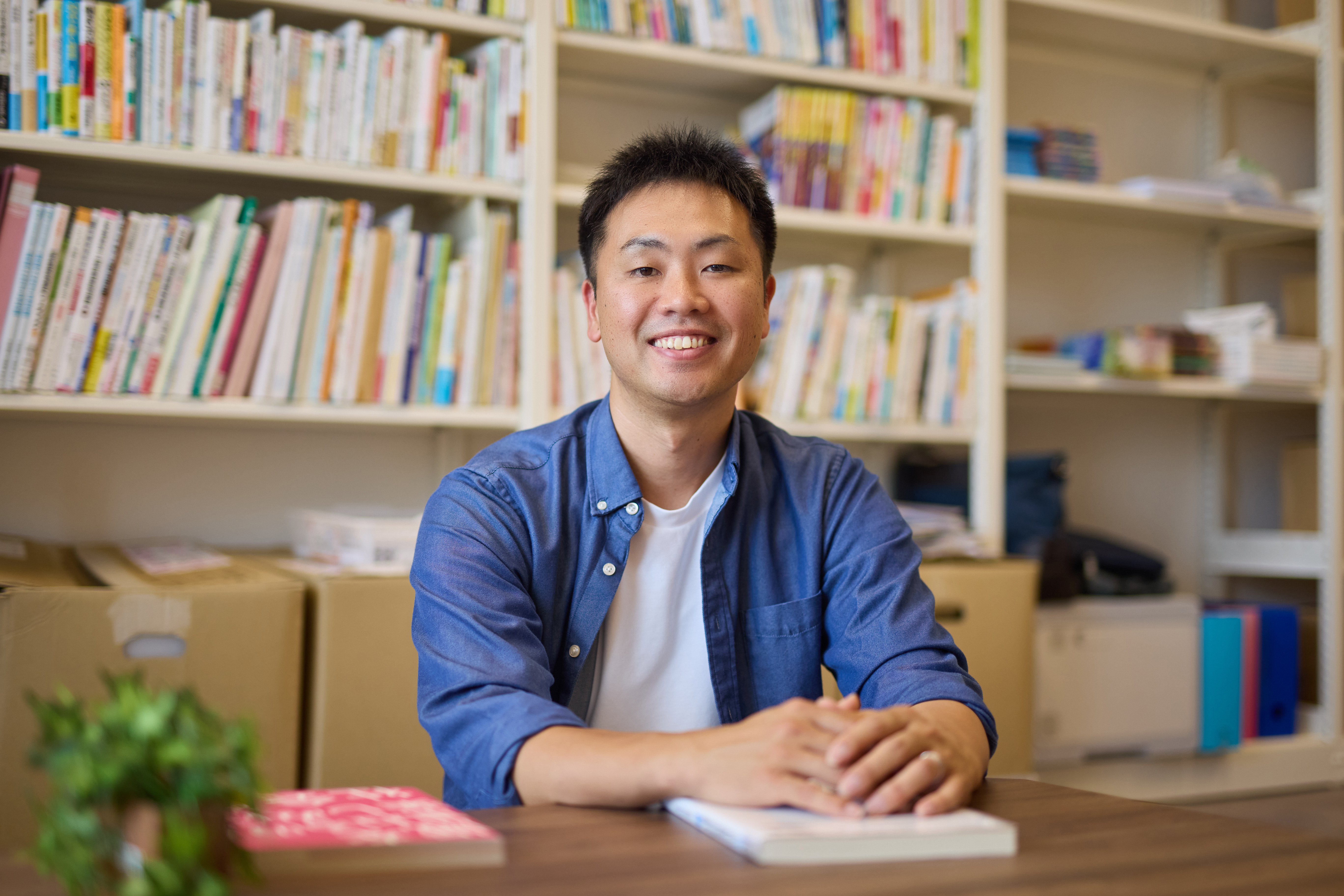
Currently, the research theme I am particularly focusing on is 'Community Development by Young People.'
In Japan, where the population is declining, many local governments are working to promote migration. However, the concentration of young people in the Tokyo metropolitan area continues. Why are people attracted to living in rural areas yet unable to take the step of moving? Why are there young people who cannot settle in their communities? I am focusing on the social and cultural factors behind these changes.
In recent years, it has been pointed out that fixed gender role consciousness and community-specific human relationships that remain in rural areas can lead to difficulties in life for young people. In my research, I clarify the reality of unconscious biases and assumptions present in these local communities and are implementing practical efforts to improve them. Currently, I am conducting ethnography aimed at clarifying the difficulties young people face in rural life and conducting action research aimed at creating a "related population."
The related population refers not to those who visit for tourism, but to those who continuously and diversely interact with the region. Through living experience programs and entrepreneurship experience programs, I am challenging myself to create new systems that connect the younger generation and the community to foster related populations.
research Action research is an important method. research individuals enter the field themselves, collaborate with local residents, local governments, companies, and NPOs to solve problems, analyze the process, and accumulate knowledge. To understand the realities of the community and the feelings of people that cannot be seen by analyzing data in Research Office alone, it is essential to visit the field and engage in dialogue with people. That is why I want to continue engaging with the community as a practitioner before being a research person.
In Japan, where the population is declining, many local governments are working to promote migration. However, the concentration of young people in the Tokyo metropolitan area continues. Why are people attracted to living in rural areas yet unable to take the step of moving? Why are there young people who cannot settle in their communities? I am focusing on the social and cultural factors behind these changes.
In recent years, it has been pointed out that fixed gender role consciousness and community-specific human relationships that remain in rural areas can lead to difficulties in life for young people. In my research, I clarify the reality of unconscious biases and assumptions present in these local communities and are implementing practical efforts to improve them. Currently, I am conducting ethnography aimed at clarifying the difficulties young people face in rural life and conducting action research aimed at creating a "related population."
The related population refers not to those who visit for tourism, but to those who continuously and diversely interact with the region. Through living experience programs and entrepreneurship experience programs, I am challenging myself to create new systems that connect the younger generation and the community to foster related populations.
research Action research is an important method. research individuals enter the field themselves, collaborate with local residents, local governments, companies, and NPOs to solve problems, analyze the process, and accumulate knowledge. To understand the realities of the community and the feelings of people that cannot be seen by analyzing data in Research Office alone, it is essential to visit the field and engage in dialogue with people. That is why I want to continue engaging with the community as a practitioner before being a research person.
Nurturing individuals who learn together with the community and create the future.
research Learning with students is just as important as our activities.
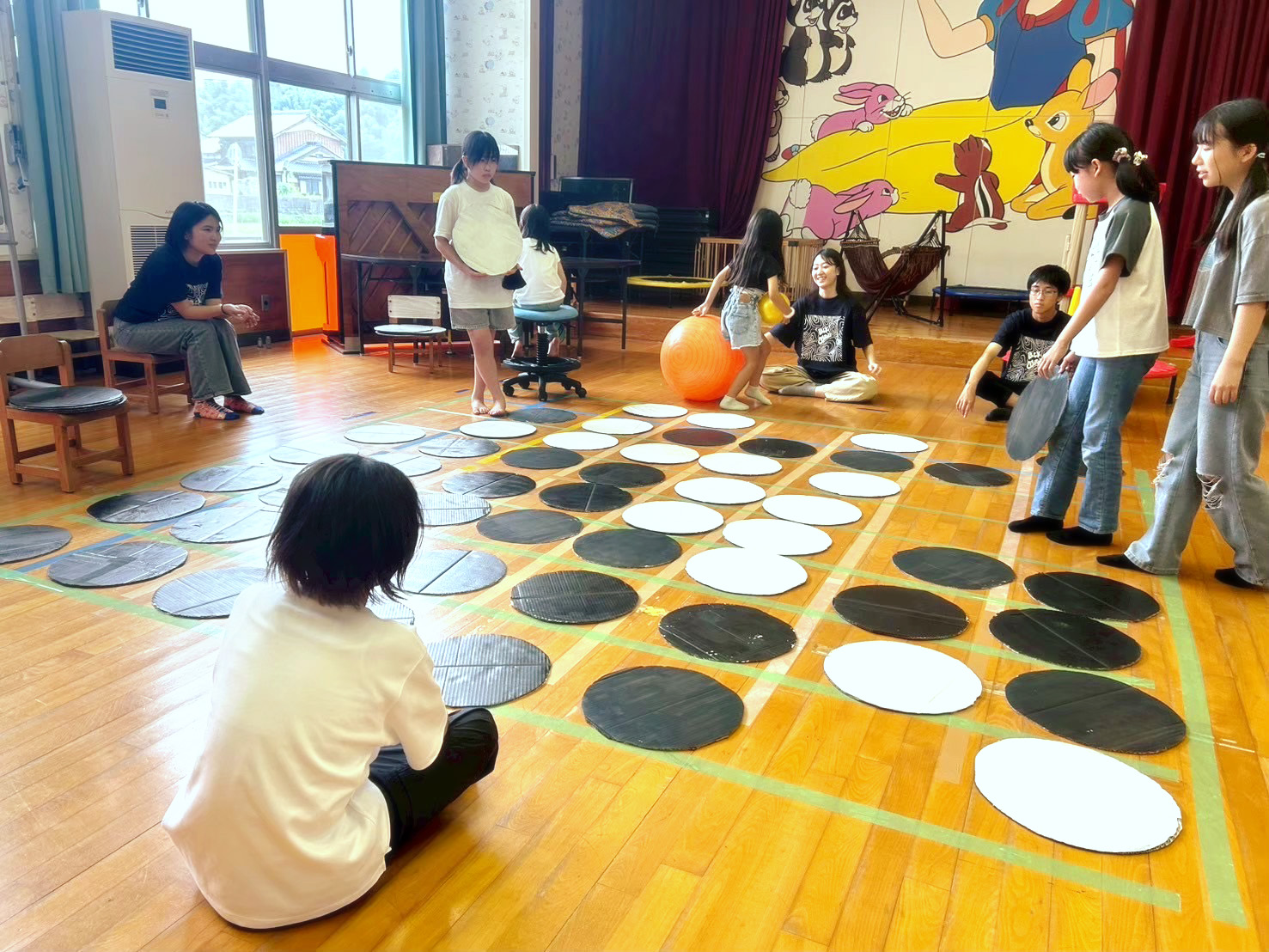
Asia University The Faculty of Sociology emphasizes fieldwork and problem-solving learning, aiming to foster practical human resources who work with diverse others to tackle social issues. I myself actively provide opportunities for students to dive into the local community to think and act independently. In 2025, we held a seminar camp in Oyama Town, Tottori Prefecture, themed "Community Development." Through experiences in organic farming and dairy farming, interaction with local residents, and activities with children, students directly experienced the daily lives of people living in rural areas and the charm of the region. I believe there were many insights and discoveries that cannot be gained from learning in the classroom alone.
Furthermore, in summer 2026, fieldwork is planned in Azumino City, Nagano Prefecture, targeting students from Sociology Faculty 1 to Sophomore. We hope to provide opportunities to learn about the formation of communities while utilizing the unique local resources.
In the undergraduate course 'Regional Community Theory,' we invite practitioners active at the forefront of the community as guest Lecturer to provide opportunities to learn while engaging with real-world challenges.
Sociology is a field that research not only community development but also covers all aspects of people's activities, including anime, games, food culture, social media, and consumer behavior. In my seminar, in addition to community development, I am working on various themes such as subculture and fandom for graduation research. However, what all themes have in common is the perspective of "deeply understanding people and society" through field research and interviews.
Japanese society faces many challenges such as population decline, declining birthrate and aging population, isolation and loneliness, and regional disparities. As a research, my mission as a is to seek practical solutions by integrating knowledge from community welfare studies and social medicine. I also hope that students will become people who can see their local communities as places to be created together. Asia University, I face students every day, hoping that many young people who will pioneer the future of their communities will leave the home.
Asia University The Faculty of Sociology emphasizes fieldwork and problem-solving learning, aiming to foster practical human resources who work with diverse others to tackle social issues. I myself actively provide opportunities for students to dive into the local community to think and act independently. In 2025, we held a seminar camp in Oyama Town, Tottori Prefecture, themed "Community Development." Through experiences in organic farming and dairy farming, interaction with local residents, and activities with children, students directly experienced the daily lives of people living in rural areas and the charm of the region. I believe there were many insights and discoveries that cannot be gained from learning in the classroom alone.
Furthermore, in summer 2026, fieldwork is planned in Azumino City, Nagano Prefecture, targeting students from Sociology Faculty 1 to Sophomore. We hope to provide opportunities to learn about the formation of communities while utilizing the unique local resources.
In the undergraduate course 'Regional Community Theory,' we invite practitioners active at the forefront of the community as guest Lecturer to provide opportunities to learn while engaging with real-world challenges.
Sociology is a field that research not only community development but also covers all aspects of people's activities, including anime, games, food culture, social media, and consumer behavior. In my seminar, in addition to community development, I am working on various themes such as subculture and fandom for graduation research. However, what all themes have in common is the perspective of "deeply understanding people and society" through field research and interviews.
Japanese society faces many challenges such as population decline, declining birthrate and aging population, isolation and loneliness, and regional disparities. As a research, my mission as a is to seek practical solutions by integrating knowledge from community welfare studies and social medicine. I also hope that students will become people who can see their local communities as places to be created together. Asia University, I face students every day, hoping that many young people who will pioneer the future of their communities will leave the home.
#Asia University research