I entered the university through the public recommendation entrance examination, and I'm enjoying fulfilling days promoting the appeal of Asia University and preparing for studying abroad.
# Entrance exam preparation experiences
Higashi Ichika
Faculty of International Relations Department of Multicultural Communication
2023.09.07
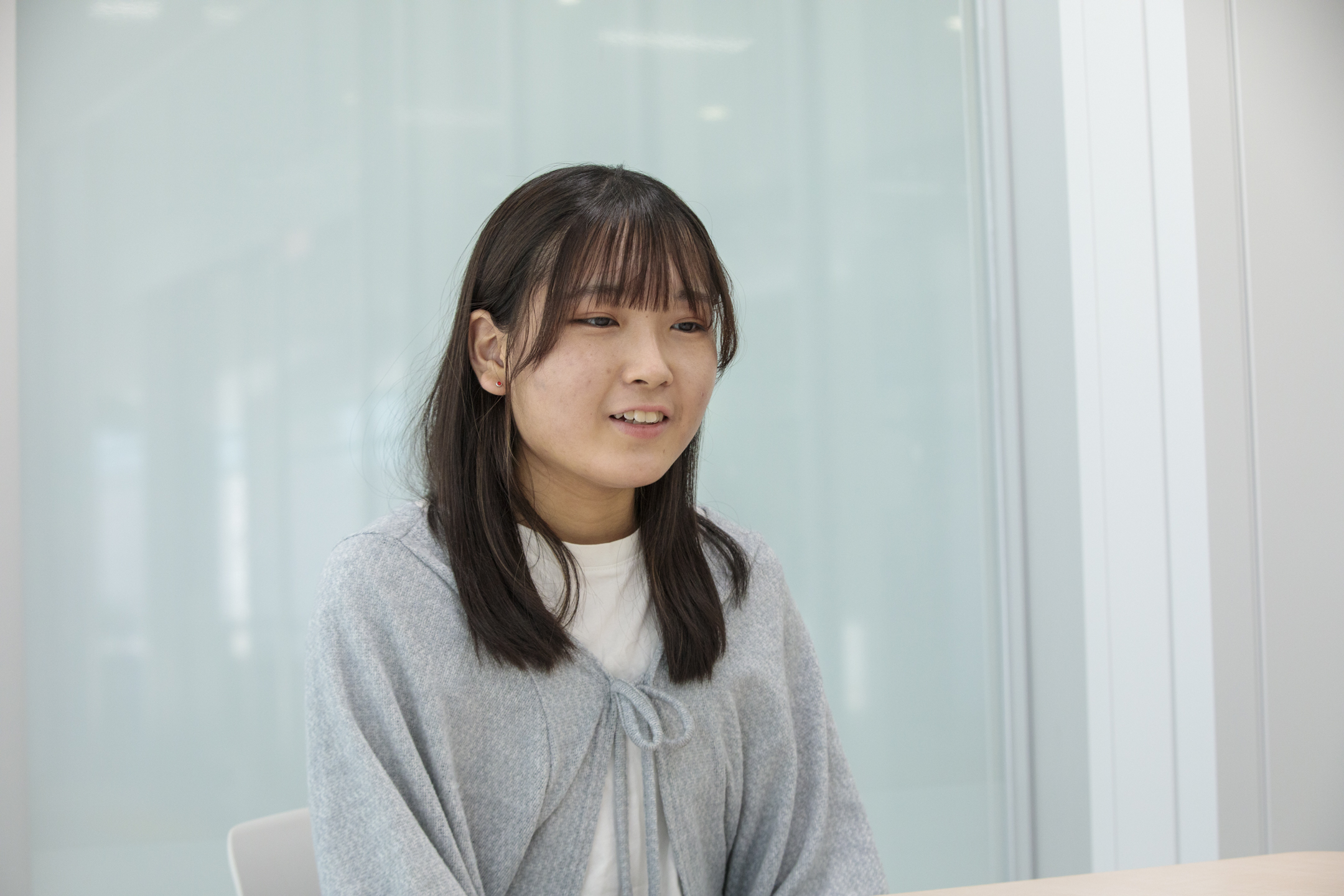
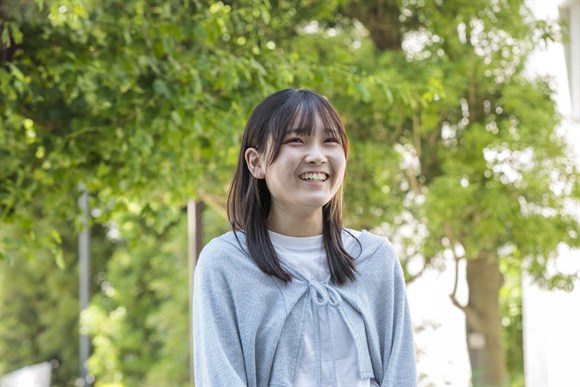
This time, we interviewed Ichika Higashi, a first-year student in the Department of Department of Multicultural Communication of Faculty of International Relations. Ms. Higashi, who is interested in foreign cultures and wanted to study abroad to experience the differences in culture and ways of thinking between Japan and other countries, took the entrance exam through the public recommendation system. We asked her about the joy of learning at university where she can gain new knowledge, and the extracurricular activities she is actively involved in.

Please enter your text.
I'd like to ask about student life at Asia University.
Q1. Please tell us your reasons for choosing Department of Multicultural Communication Faculty of International Relations Asia University.
My interest in foreign cultures is my reason for applying. For example, I wanted to learn about the differences between Japanese and American culture and ways of thinking. Compared to Japanese people, who tend to be more introverted, Americans seem to be more active. I was interested in these differences and wondered, "Why is that? I want to know." Also, Asia University has a well-developed study abroad program, so actually studying abroad and experiencing these differences firsthand is another reason I wanted to attend.
Q2. Were there any differences between your expectations before entering university and your expectations after entering university?
Unlike high school classes, university allows you to choose the subjects you want to study, but you can't take all the subjects you want. That was a little different from what I had imagined. However, I often find that subjects other than the ones I initially wanted to study are interesting once I start learning them. I wasn't particularly interested in history, but while studying East Asian history, especially Chinese history, I discovered the joy of history by encountering historical facts I didn't know before. As I continue to learn, my interests and curiosity expand, and I feel the joy of gaining new knowledge.
My interest in foreign cultures is my reason for applying. For example, I wanted to learn about the differences between Japanese and American culture and ways of thinking. Compared to Japanese people, who tend to be more introverted, Americans seem to be more active. I was interested in these differences and wondered, "Why is that? I want to know." Also, Asia University has a well-developed study abroad program, so actually studying abroad and experiencing these differences firsthand is another reason I wanted to attend.
Q2. Were there any differences between your expectations before entering university and your expectations after entering university?
Unlike high school classes, university allows you to choose the subjects you want to study, but you can't take all the subjects you want. That was a little different from what I had imagined. However, I often find that subjects other than the ones I initially wanted to study are interesting once I start learning them. I wasn't particularly interested in history, but while studying East Asian history, especially Chinese history, I discovered the joy of history by encountering historical facts I didn't know before. As I continue to learn, my interests and curiosity expand, and I feel the joy of gaining new knowledge.
Q3. What are you currently studying? Also, if there are any courses you found particularly worthwhile, please tell us the course name and why.
I am studying subjects such as English, Basic Regional Languages, Introduction to Fieldwork, and Introduction to Sociology. For Basic Regional Languages, I chose Korean because I like K-POP and wanted to be able to understand the meaning of the lyrics. I am also interested in Korean culture, so I plan to study abroad in Korea in my third year as part of Multicultural Fieldwork, and I am currently studying to be able to read the script. I am also glad that I took Information Literacy, where I can learn how to use computers such as Word and Excel and gain knowledge that will be useful in the future, and 12 Chapters to Learn About Asia, where the class is taught by a different Lecturer each time and allows me to learn deeply about Asian countries.
Q4. Are there any activities you've been involved in since enrolling, other than studying?
I participate in the activities of "ASIA-SAI" Festival Executive Committee and the Campus Concierge.
Q5. What prompted you to start working with "ASIA-SAI" Festival Executive Committee?
I had some experience helping out on the cultural festival committee during high school, and I wanted to be more actively involved in it at university, so I decided to join "ASIA-SAI" Festival Executive Committee.
I chose this opportunity because I enjoy interacting with people and I thought it would allow me to utilize my individuality, as well as because it would give me the chance to interact with students from other departments and different year levels. At "ASIA-SAI" Annual Student Festival, I will be in charge of the on-campus exchange program, and I plan to create activities such as festival stalls that children can enjoy.
I am studying subjects such as English, Basic Regional Languages, Introduction to Fieldwork, and Introduction to Sociology. For Basic Regional Languages, I chose Korean because I like K-POP and wanted to be able to understand the meaning of the lyrics. I am also interested in Korean culture, so I plan to study abroad in Korea in my third year as part of Multicultural Fieldwork, and I am currently studying to be able to read the script. I am also glad that I took Information Literacy, where I can learn how to use computers such as Word and Excel and gain knowledge that will be useful in the future, and 12 Chapters to Learn About Asia, where the class is taught by a different Lecturer each time and allows me to learn deeply about Asian countries.
Q4. Are there any activities you've been involved in since enrolling, other than studying?
I participate in the activities of "ASIA-SAI" Festival Executive Committee and the Campus Concierge.
Q5. What prompted you to start working with "ASIA-SAI" Festival Executive Committee?
I had some experience helping out on the cultural festival committee during high school, and I wanted to be more actively involved in it at university, so I decided to join "ASIA-SAI" Festival Executive Committee.
I chose this opportunity because I enjoy interacting with people and I thought it would allow me to utilize my individuality, as well as because it would give me the chance to interact with students from other departments and different year levels. At "ASIA-SAI" Annual Student Festival, I will be in charge of the on-campus exchange program, and I plan to create activities such as festival stalls that children can enjoy.
Q6. What prompted you to start the Campus Concierge service?
When I attended the information session, I was impressed by the positive atmosphere and the lively atmosphere among the upperclassmen, which left me with a very positive impression. I was also drawn to how the upperclassmen encouraged us freshmen to "ask anything" and how they genuinely cared for and supported us. As I will be in charge of guiding prospective students at the open campus, I will strive to guide them effectively, proactively engage with anyone who seems to have questions, and convey the appeal of Asia University.
Q7. What do you think are the best things about attending Asia University?
First of all, I was able to interact with many people and meet some great friends. Academically, I was able to learn about the history, culture, and current situation of various countries, gaining knowledge that will be useful in the future. I also developed the habit of thinking backward from my study abroad goal and figuring out how I should spend my time now. In addition, Student Cafeteria menu is extensive and delicious, so much so that I have trouble deciding what to eat every day. It was a pleasant surprise that it was different from what I had imagined Student Cafeteria would be like.
Q8. What kind of town is Musashi-Sakai, where the university is located? What are some ways to enjoy Musashi-Sakai?
There are many restaurants, the town is generally clean, and the air feels fresh. Being able to explore the town or take a short trip during your free time is another appealing aspect of Musashi-Sakai.
Q9. Finally, do you have any advice for those taking the exam?
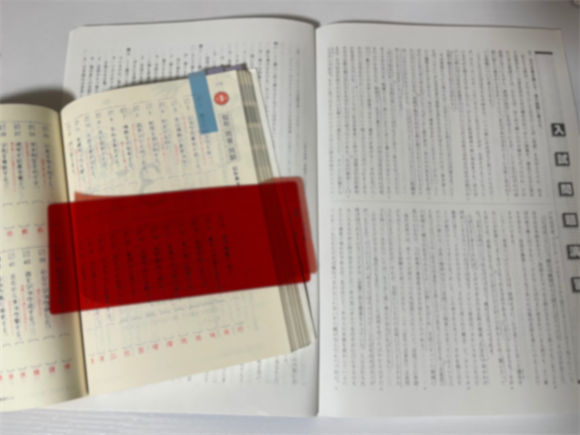
I took the entrance exam through the public recommendation system. For exam preparation, I felt it was important to analyze the trends in past exam questions and work on them repeatedly, as well as to plan my time allocation and decide how much time to spend on each question. You'll probably feel anxious a lot while studying for the exam, so don't keep it all to yourself; talk to your teachers, friends, and family. Also, I made sure to resolve any questions I had. For example, I would check with my friends to make sure there were no deficiencies in our applications, and if we didn't understand something, we would ask our teachers or contact the university to resolve it. And most importantly, don't give up. When I felt like giving up, my friends and I encouraged each other and were able to overcome it.
The most important things are to make sure you take proper breaks, get enough sleep, and don't push yourself too hard! When you feel stressed, it's also important to talk to a friend about what's on your mind or relax by listening to music.
When I attended the information session, I was impressed by the positive atmosphere and the lively atmosphere among the upperclassmen, which left me with a very positive impression. I was also drawn to how the upperclassmen encouraged us freshmen to "ask anything" and how they genuinely cared for and supported us. As I will be in charge of guiding prospective students at the open campus, I will strive to guide them effectively, proactively engage with anyone who seems to have questions, and convey the appeal of Asia University.
Q7. What do you think are the best things about attending Asia University?
First of all, I was able to interact with many people and meet some great friends. Academically, I was able to learn about the history, culture, and current situation of various countries, gaining knowledge that will be useful in the future. I also developed the habit of thinking backward from my study abroad goal and figuring out how I should spend my time now. In addition, Student Cafeteria menu is extensive and delicious, so much so that I have trouble deciding what to eat every day. It was a pleasant surprise that it was different from what I had imagined Student Cafeteria would be like.
Q8. What kind of town is Musashi-Sakai, where the university is located? What are some ways to enjoy Musashi-Sakai?
There are many restaurants, the town is generally clean, and the air feels fresh. Being able to explore the town or take a short trip during your free time is another appealing aspect of Musashi-Sakai.
Q9. Finally, do you have any advice for those taking the exam?
I took the entrance exam through the public recommendation system. For exam preparation, I felt it was important to analyze the trends in past exam questions and work on them repeatedly, as well as to plan my time allocation and decide how much time to spend on each question. You'll probably feel anxious a lot while studying for the exam, so don't keep it all to yourself; talk to your teachers, friends, and family. Also, I made sure to resolve any questions I had. For example, I would check with my friends to make sure there were no deficiencies in our applications, and if we didn't understand something, we would ask our teachers or contact the university to resolve it. And most importantly, don't give up. When I felt like giving up, my friends and I encouraged each other and were able to overcome it.
The most important things are to make sure you take proper breaks, get enough sleep, and don't push yourself too hard! When you feel stressed, it's also important to talk to a friend about what's on your mind or relax by listening to music.