Understanding the question trends is crucial for general entrance exams.
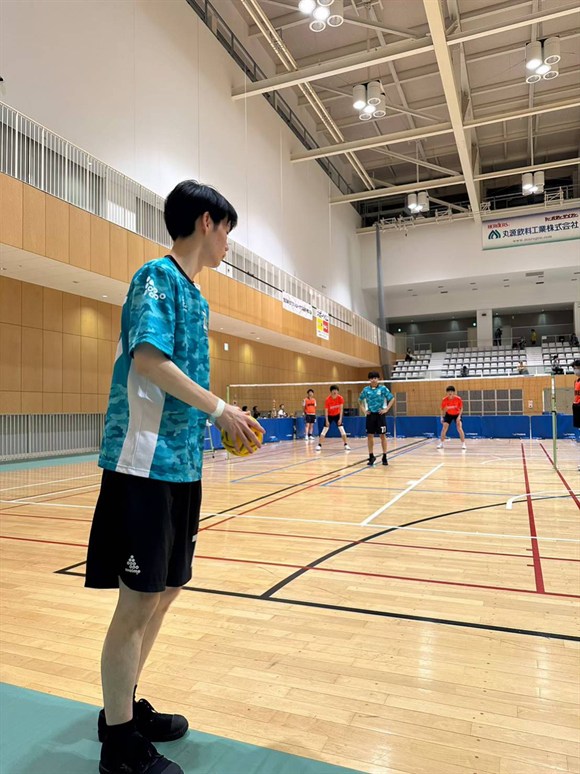
My activities in Sepak Takraw Club will lead to my future goals.
My activities in Sepak Takraw Club will lead to my future goals.
# Entrance exam preparation experiences
Hiroki Nomoto
Faculty of Business Administration Department of Business Administration
2023.11.09
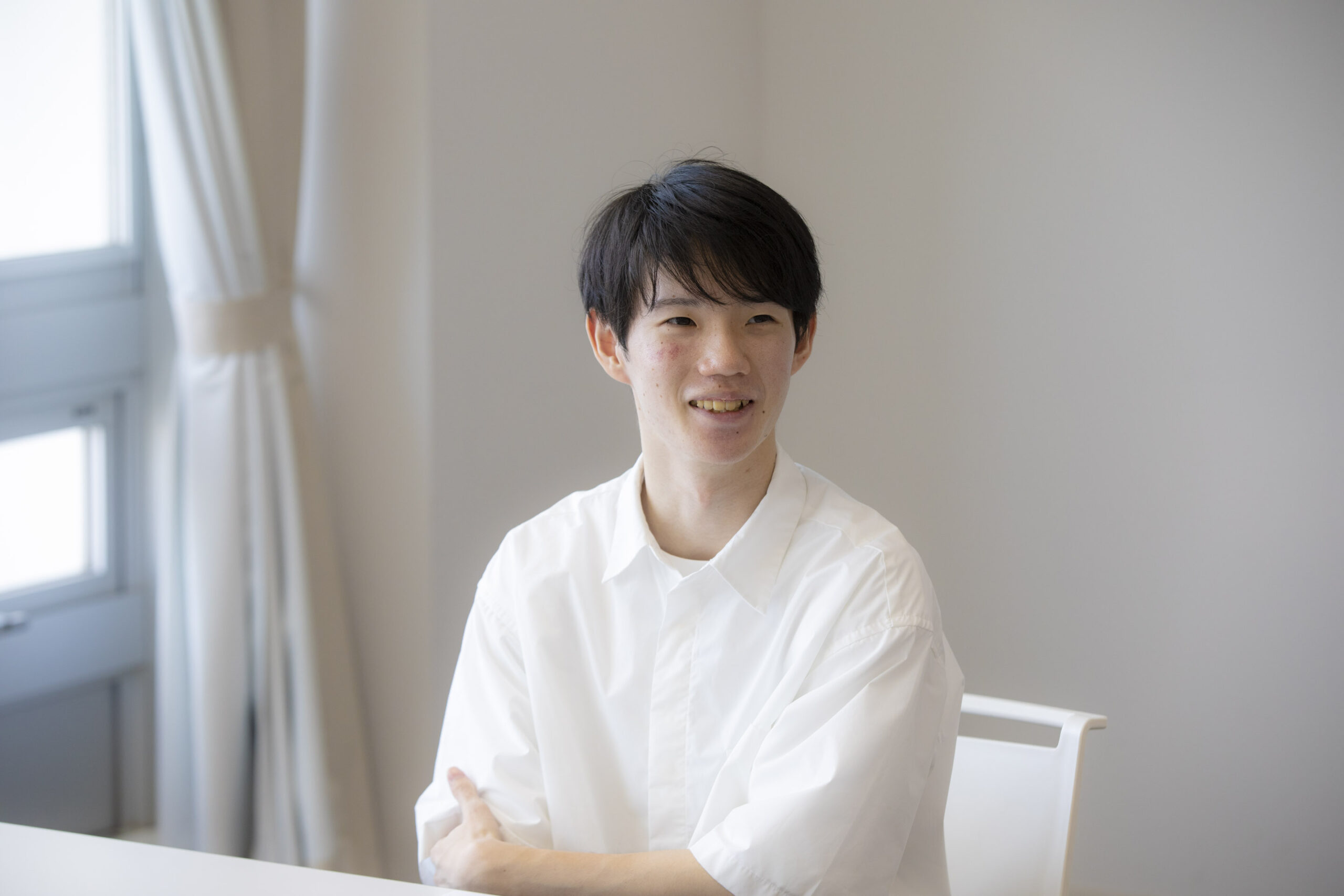
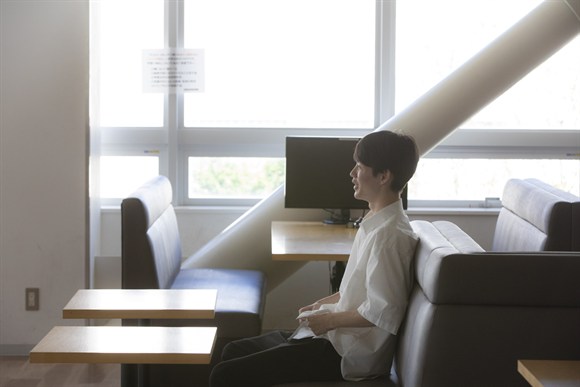
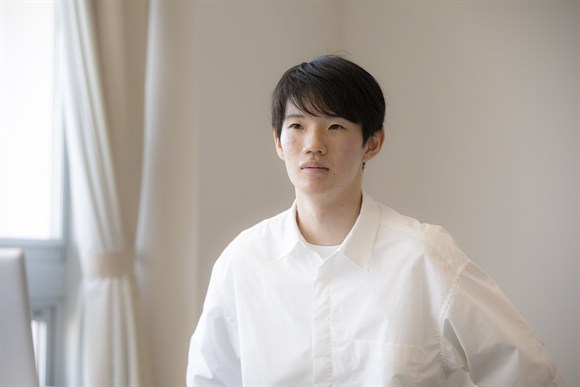
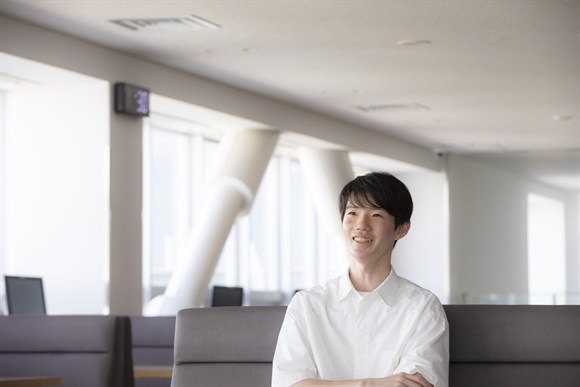
This time, we interviewed Hiroki Nomoto, a second-year student in the Department of Faculty of Business Administration Administration. Nomoto took the general entrance exam with the desire to study business administration and eventually run his own company. He said that joining Sepak Takraw Club gave him a goal for after graduation, and we asked him about his entrance exam preparation that led to his success.
Please enter your text.
I'd like to ask about student life at Asia University.
Q1. Please tell us the type of entrance examination you took and the subjects you took.
This was a general entrance examination (by subject). The subjects were Japanese (excluding classical Japanese and classical Chinese), English, and Mathematics I and A.
Q2. Do you have any advice for those who will be taking the exam in the future?
For general entrance exams, each university has its own unique characteristics, so I think it's a good idea to use past exam questions to understand the trends. I started working on past exam questions using the "Red Book (University Entrance Exam Series)" around the end of summer vacation.
Q3. What measures do you think should be taken during the autumn season? Please start with Japanese language.
I made sure to read the problem statement quickly and identify the important parts. I felt that being able to read quickly would give me a significant advantage. My teacher advised me to "read the question first and then read the problem statement while understanding what is being asked," and I put that into practice.
This was a general entrance examination (by subject). The subjects were Japanese (excluding classical Japanese and classical Chinese), English, and Mathematics I and A.
Q2. Do you have any advice for those who will be taking the exam in the future?
For general entrance exams, each university has its own unique characteristics, so I think it's a good idea to use past exam questions to understand the trends. I started working on past exam questions using the "Red Book (University Entrance Exam Series)" around the end of summer vacation.
Q3. What measures do you think should be taken during the autumn season? Please start with Japanese language.
I made sure to read the problem statement quickly and identify the important parts. I felt that being able to read quickly would give me a significant advantage. My teacher advised me to "read the question first and then read the problem statement while understanding what is being asked," and I put that into practice.
Q4. What measures did you take to prepare for English?
Since English was my weakest subject, I decided to start with something relatively easy to score well on, and I began studying conversational English.
I really wish I had prepared for the long reading comprehension passages, but I wasn't able to do it well. Because I regret not being able to do it myself, I recommend that all test-takers prepare for the long reading comprehension passages.
Q5. So, how was math?
I was good at math. I tried solving past exam questions, working through several years' worth. This helped me identify my weak areas, so I focused on studying those areas repeatedly.
Since English was my weakest subject, I decided to start with something relatively easy to score well on, and I began studying conversational English.
I really wish I had prepared for the long reading comprehension passages, but I wasn't able to do it well. Because I regret not being able to do it myself, I recommend that all test-takers prepare for the long reading comprehension passages.
Q5. So, how was math?
I was good at math. I tried solving past exam questions, working through several years' worth. This helped me identify my weak areas, so I focused on studying those areas repeatedly.
Q6. Were there any strategies you found effective in the period immediately before the exam?
While there are areas you can improve even right before the exam, it's difficult to solidify your fundamentals at that point due to time constraints. Therefore, it's important to understand the exam trends and practice with past questions to get used to the exam format.
It's important to develop a strategy, and I think it's best to focus all your efforts on the areas where you're most likely to score points, so you don't panic. This applies to all three subjects.
Q7. Please tell us about any study methods that you found particularly helpful.
For Japanese language studies, the key is to write and memorize kanji that are likely to appear on the test. Instead of just writing them, I found that I learned faster by substituting the kanji into everyday conversational sentences.
In particular, when it comes to learning okurigana (suffixes for phonetic spellings), I found that methods closely tied to everyday life, such as remembering where I'd seen them written, were more effective.
The best way to learn English is to look at a vocabulary list and memorize the words aloud. This helps you get a feel for the rhythm of English, making it easier to remember. It's probably best to first master vocabulary and grammar, and then move on to reading comprehension.
Math isn't about memorization; it's about solving lots of problems and getting used to it. That's how I identified my weak areas and took steps to address them.
While there are areas you can improve even right before the exam, it's difficult to solidify your fundamentals at that point due to time constraints. Therefore, it's important to understand the exam trends and practice with past questions to get used to the exam format.
It's important to develop a strategy, and I think it's best to focus all your efforts on the areas where you're most likely to score points, so you don't panic. This applies to all three subjects.
Q7. Please tell us about any study methods that you found particularly helpful.
For Japanese language studies, the key is to write and memorize kanji that are likely to appear on the test. Instead of just writing them, I found that I learned faster by substituting the kanji into everyday conversational sentences.
In particular, when it comes to learning okurigana (suffixes for phonetic spellings), I found that methods closely tied to everyday life, such as remembering where I'd seen them written, were more effective.
The best way to learn English is to look at a vocabulary list and memorize the words aloud. This helps you get a feel for the rhythm of English, making it easier to remember. It's probably best to first master vocabulary and grammar, and then move on to reading comprehension.
Math isn't about memorization; it's about solving lots of problems and getting used to it. That's how I identified my weak areas and took steps to address them.
Q8. Are there any other things I should be careful about?
The important thing is to be careful not to get sick. I played soccer from elementary school through high school, so if I don't exercise, it becomes stressful for me.
I made a conscious effort to set aside time for running and strength training. Exercise tires you out just enough, which helps you get better quality sleep. After all, your body is your most important asset, no matter what you do.
Q9. Finally, do you have any advice for those taking the exam?
Speaking from personal experience, I've come to realize that the ideal approach is to make a plan and then stick to it.
When you lose focus, try imagining yourself as a university student. That should motivate you. I hope you'll work hard now with high aspirations.
The important thing is to be careful not to get sick. I played soccer from elementary school through high school, so if I don't exercise, it becomes stressful for me.
I made a conscious effort to set aside time for running and strength training. Exercise tires you out just enough, which helps you get better quality sleep. After all, your body is your most important asset, no matter what you do.
Q9. Finally, do you have any advice for those taking the exam?
Speaking from personal experience, I've come to realize that the ideal approach is to make a plan and then stick to it.
When you lose focus, try imagining yourself as a university student. That should motivate you. I hope you'll work hard now with high aspirations.