- Asia University
- Study abroad/international exchange
- Voices of students who have studied abroad
- Experiences and results of studying abroad (AUKP)
Experiences and results of studying abroad (AUKP)
AUKP
Asia University Korea Program
AUKP
Asia University Korea Program
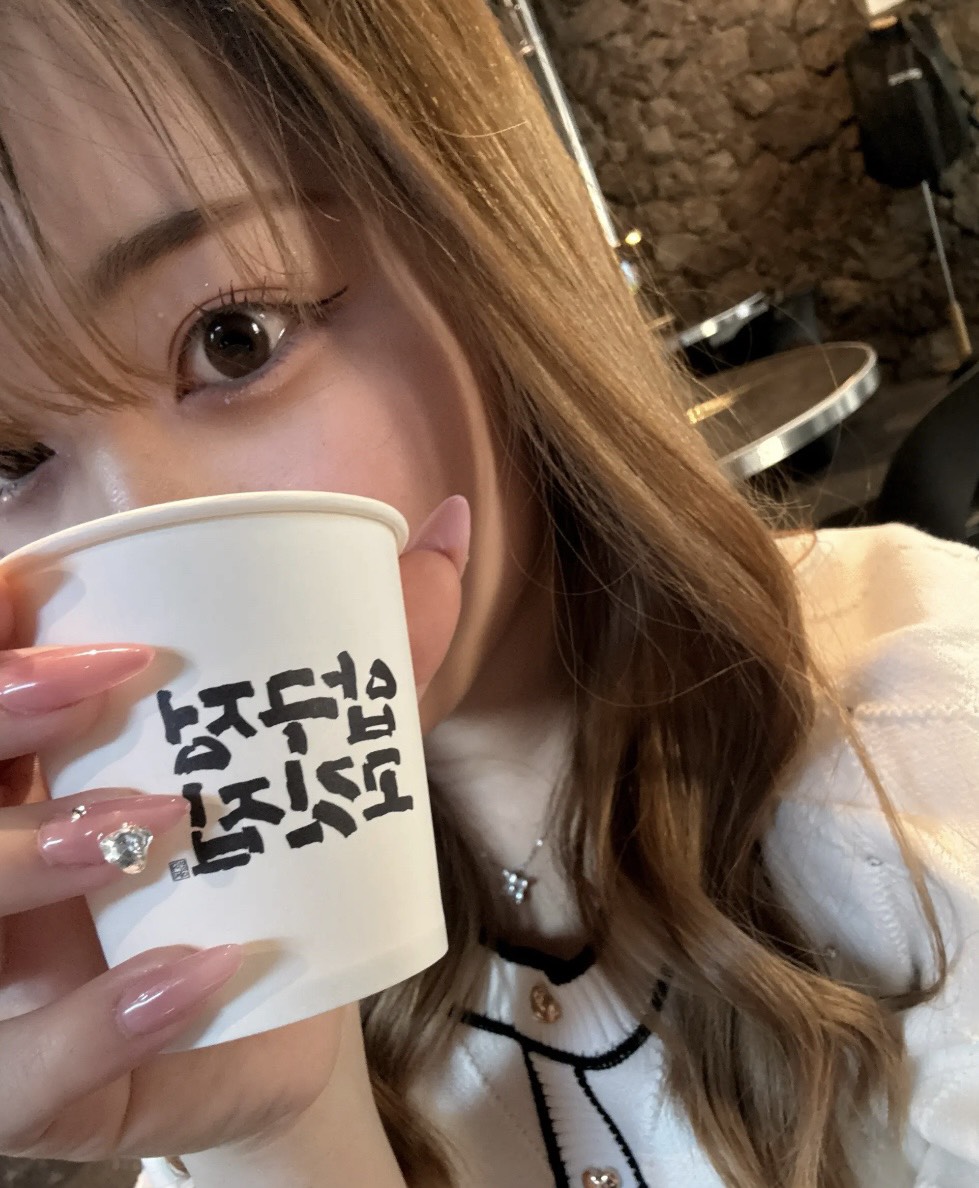
Ayaka Sano
Destination: Kyung Hee University
Why did you participate in AUKP? Why did you choose Korea as your study abroad destination?
I've always loved K-POP, and I wanted to be able to understand the lyrics without looking at translations, so I started studying Korean when I was in high school. I chose Korean as my second language at university, and when I found out that the new AUKP program to study abroad at Kyung Hee University would be starting in 2025, I decided to participate because I wanted to improve my Korean language skills more seriously.
Local classes and life
Local classes included Korean language classes based on level from 1st to 4th period in the morning, a Korean research seminar every Wednesday afternoon where students learned how to give presentations in Korean and learn about Korean culture, and a culture class on Thursday afternoons where students were exposed to culture such as K-POP and Korean dramas.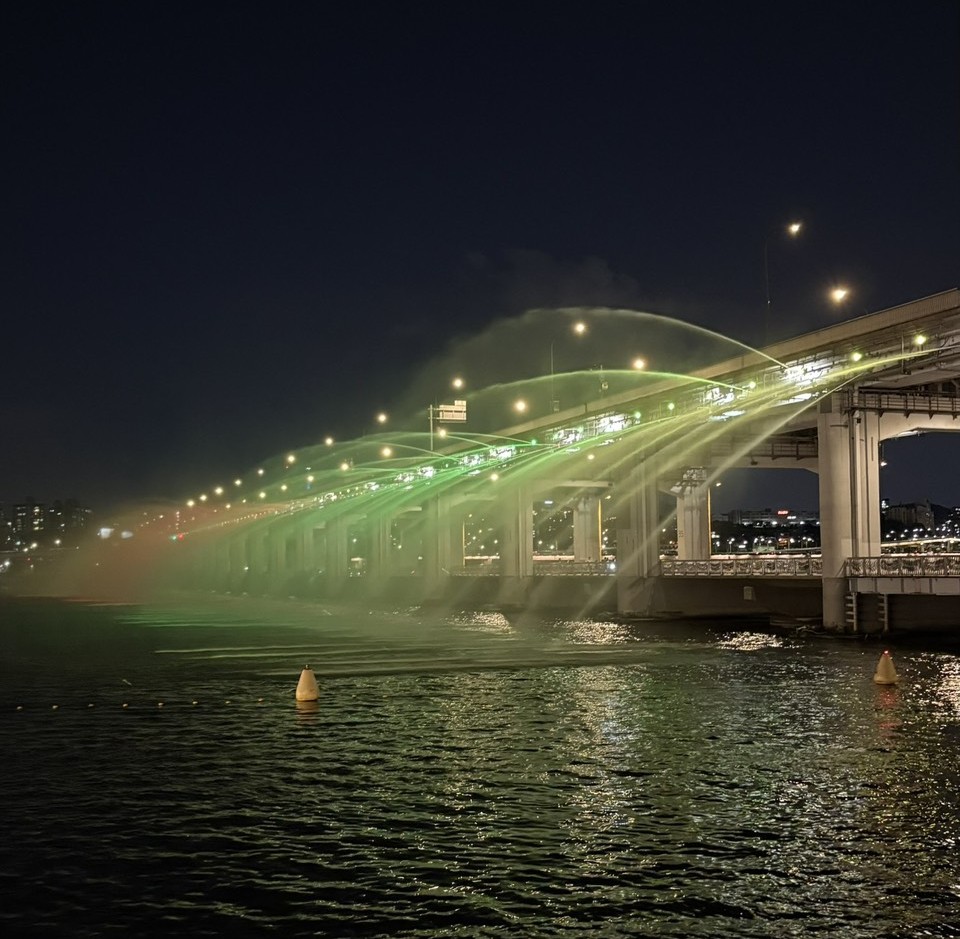 In the morning Korean class, I was able to learn grammar, listening, speaking, reading, and writing comprehensively.
I feel that the speaking classes in particular were the most effective in improving my language skills. In each class, we had to work in pairs to create a one-minute conversation, and in the process, we had to communicate only in Korean, which naturally improved my expressiveness.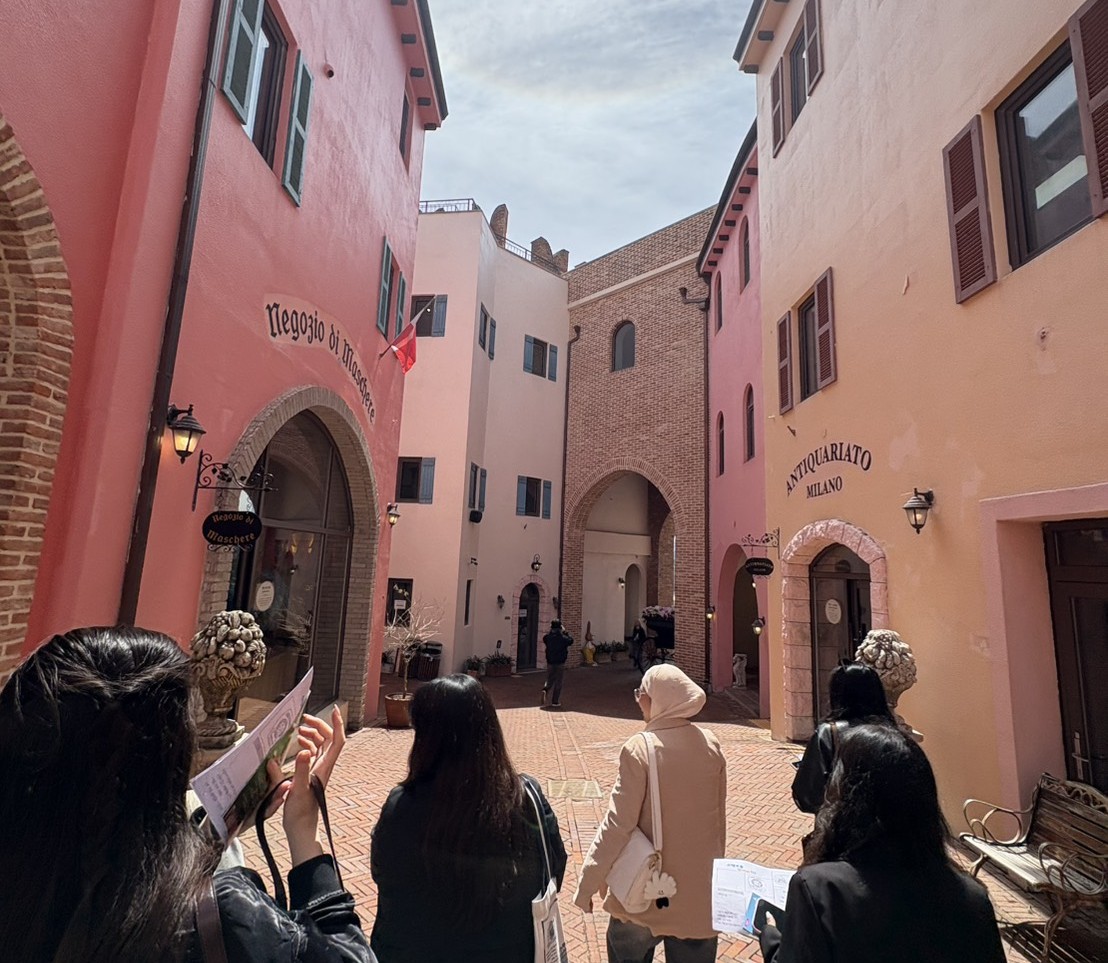 I also had many enjoyable experiences outside of class, such as field trips to Lotte World and meals with my classmates. However, in terms of daily life, I struggled with the high cost of food. Many supermarket products were more expensive than in Japan, so even if I cooked at home, the cost was often not much different from eating out. Furthermore, since the tap water was not drinkable, I had to buy mineral water, which added to the expenses. However, when it came to transportation costs, both trains and taxis were significantly cheaper than in Japan, which made it very convenient.
Memorable events
The most memorable experience was interacting with my classmates in the spring semester. There were nine of us in my class, including me, and we came from a variety of countries, including China, the Philippines, and Jordan.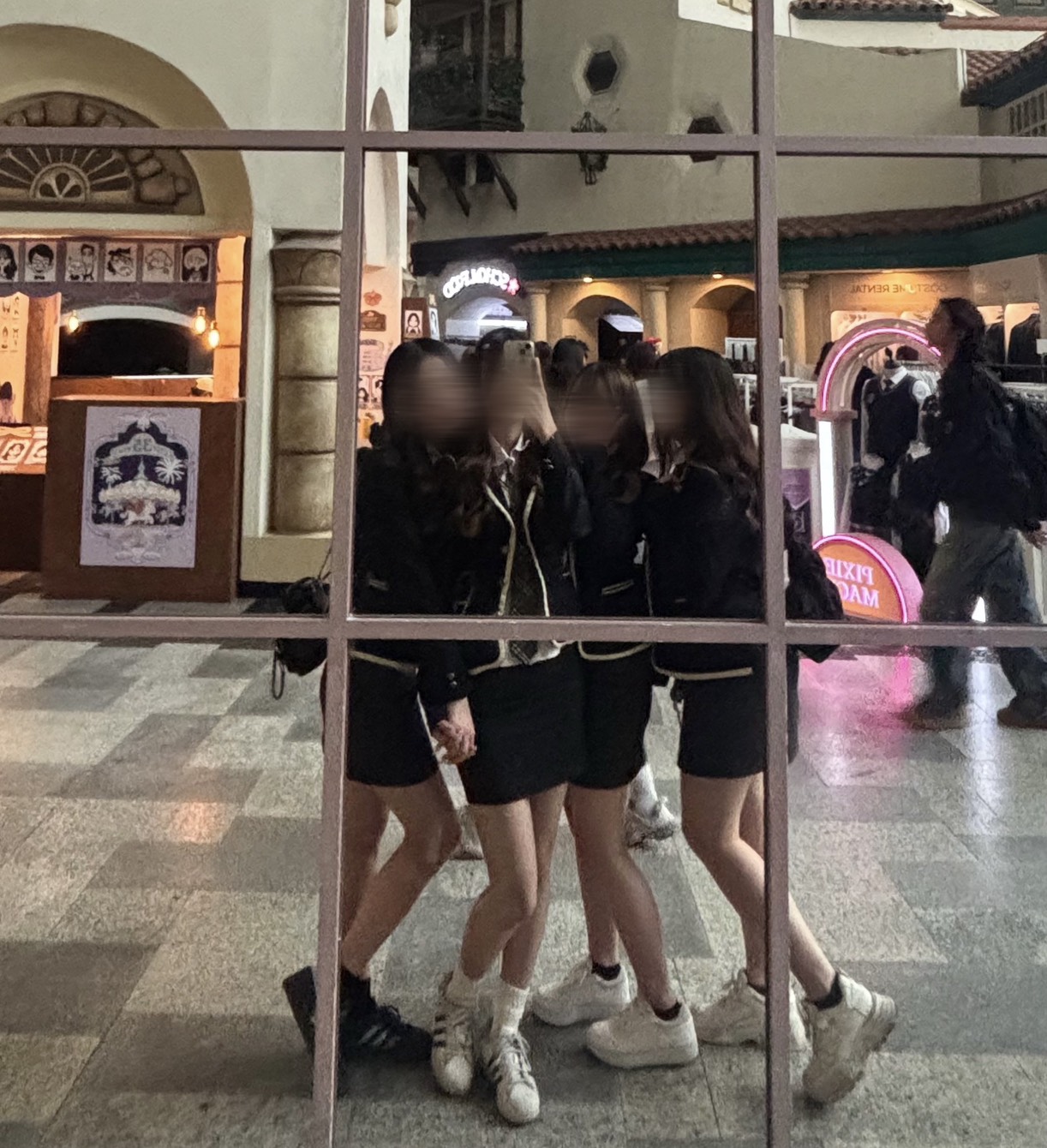 Because of this, the only common language we had was Korean, and at first I had a hard time expressing what I wanted to say or understanding what the other person was saying.
However, all my classmates were kind and considerate, and we taught each other our languages, so we became very close over the course of the semester. We regularly went out to lunch together, took four-shot photos, and even after we changed classes, we would often talk when we met in the hallway. It's rare to find a class with such a good atmosphere, so I was very sad to leave when I had to go back to Japan. Everyone has said they want to visit Japan, so I want to continue studying so that when I do, I'll be able to show them around in Korean.
Future goals
I have not yet taken the TOPIK test, so I would like to continue studying with the aim of passing Level 4 first, with my ultimate goal of attaining Level 6. I also hope to find a job in the future where I can use my Korean language skills, and I will continue to work hard every day, encouraged by this study abroad experience.
I've always loved K-POP, and I wanted to be able to understand the lyrics without looking at translations, so I started studying Korean when I was in high school. I chose Korean as my second language at university, and when I found out that the new AUKP program to study abroad at Kyung Hee University would be starting in 2025, I decided to participate because I wanted to improve my Korean language skills more seriously.
Local classes and life
Local classes included Korean language classes based on level from 1st to 4th period in the morning, a Korean research seminar every Wednesday afternoon where students learned how to give presentations in Korean and learn about Korean culture, and a culture class on Thursday afternoons where students were exposed to culture such as K-POP and Korean dramas.
In the morning Korean class, I was able to learn grammar, listening, speaking, reading, and writing comprehensively.I feel that the speaking classes in particular were the most effective in improving my language skills. In each class, we had to work in pairs to create a one-minute conversation, and in the process, we had to communicate only in Korean, which naturally improved my expressiveness.
I also had many enjoyable experiences outside of class, such as field trips to Lotte World and meals with my classmates. However, in terms of daily life, I struggled with the high cost of food. Many supermarket products were more expensive than in Japan, so even if I cooked at home, the cost was often not much different from eating out. Furthermore, since the tap water was not drinkable, I had to buy mineral water, which added to the expenses. However, when it came to transportation costs, both trains and taxis were significantly cheaper than in Japan, which made it very convenient.Memorable events
The most memorable experience was interacting with my classmates in the spring semester. There were nine of us in my class, including me, and we came from a variety of countries, including China, the Philippines, and Jordan.
Because of this, the only common language we had was Korean, and at first I had a hard time expressing what I wanted to say or understanding what the other person was saying.However, all my classmates were kind and considerate, and we taught each other our languages, so we became very close over the course of the semester. We regularly went out to lunch together, took four-shot photos, and even after we changed classes, we would often talk when we met in the hallway. It's rare to find a class with such a good atmosphere, so I was very sad to leave when I had to go back to Japan. Everyone has said they want to visit Japan, so I want to continue studying so that when I do, I'll be able to show them around in Korean.
Future goals
I have not yet taken the TOPIK test, so I would like to continue studying with the aim of passing Level 4 first, with my ultimate goal of attaining Level 6. I also hope to find a job in the future where I can use my Korean language skills, and I will continue to work hard every day, encouraged by this study abroad experience.
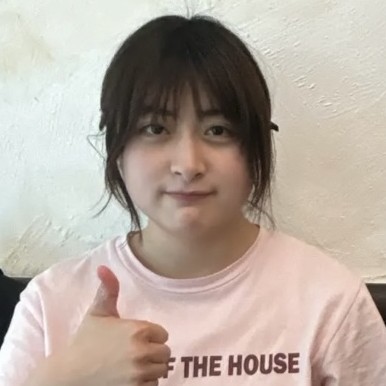
YAJIMA Rinon
Destination: Kyung Hee University
Why did you participate in AUKP? Why did you choose Korea as your study abroad destination?
I've always been interested in other countries and wanted to study abroad. Our university has a comprehensive study abroad program, so I was wondering where to go when I heard that AUKP had been established. Korea is a neighboring country, and I have Korean friends and have visited there many times, so I chose it as the perfect place for my first study abroad destination.
Local classes and life
Local classes were divided into levels (beginner 1, 2/intermediate 1, 2/advanced 1, 2) (students took an online level placement test before studying abroad). Classes consisted of around 10-15 students regardless of nationality (classes changed every semester). All classes were taught in Korean and lasted for four hours from 9:00 to 13:00 (50-minute classes with 10-minute breaks x 4). There was a two-hour seminar on Wednesday afternoons and a two-hour culture class on Thursday afternoons, with weekends off.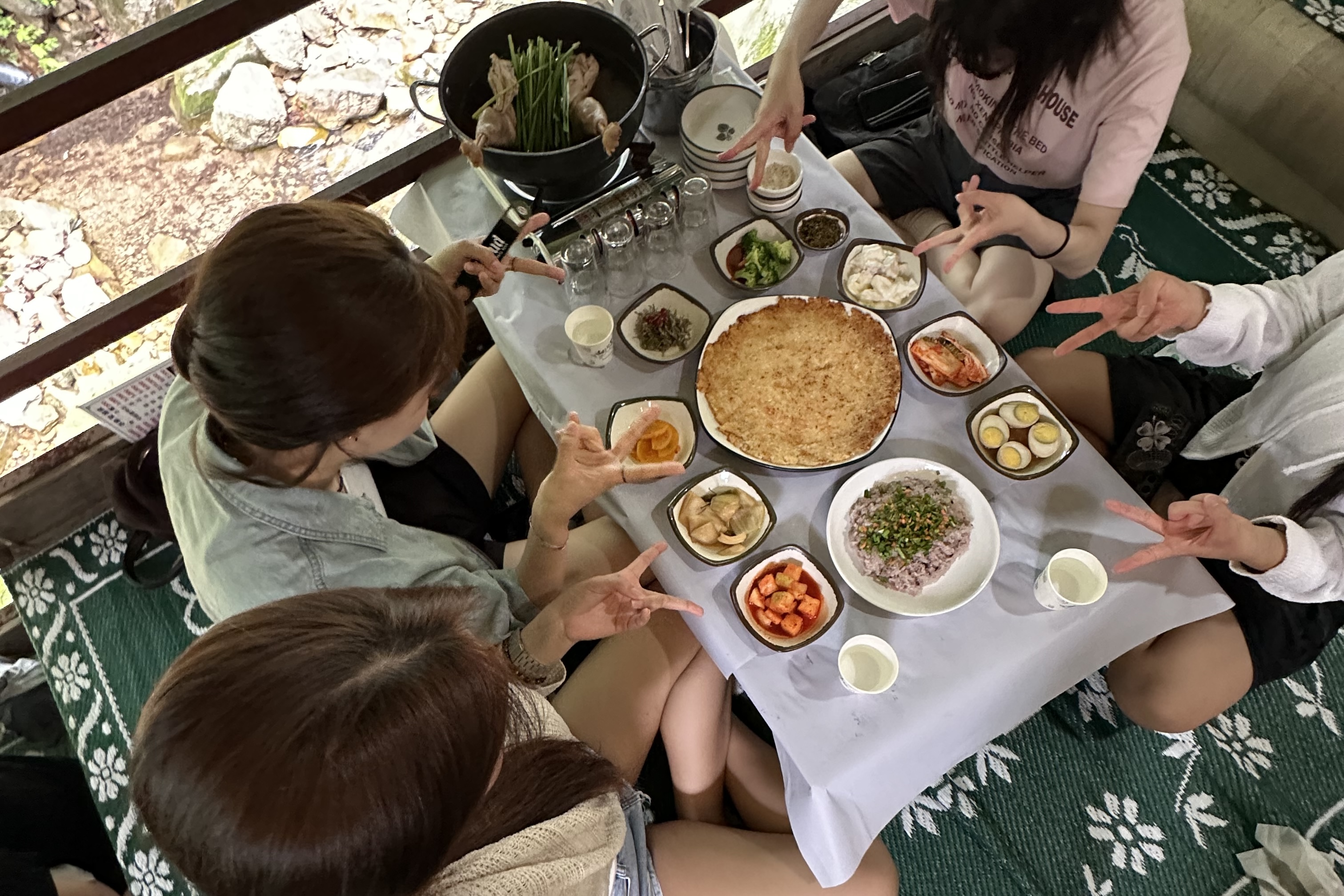
In the first semester (Intermediate 2), the schedule was 2 hours of grammar and 2 hours of other techniques (listening, reading, writing, or speaking, alternating each day). In the next semester (Advanced 1), the schedule was 1 hour of grammar and 3 hours of other techniques. There are midterm and final exams during the semester, and if you pass you can move up to a higher class in the next semester. Regarding classes, of course you should review, but if you come across vocabulary you don't understand during class it will slow down your understanding, so I recommend doing as much preparation as possible if you have time.
Regarding my life, I lived in a dormitory at the university I attended while I was in Korea. There were two of us (same gender) in one room, and my roommate was a student at Asia University. It was about a 15-minute walk to the university, but there was a bus that departed near the dormitory, and it took about five minutes, so I used it often. The bus cost about 150 yen one way, but I used a "Climate Card," which was like a Seoul bus and train pass for 55,000 won a month, giving me unlimited rides on buses and trains. The dormitory was adequate for living, and I was able to cook a reasonable amount of food. Since it was near the university, there were many restaurants offering set meals, so I had no trouble finding food. There were also Daiso and Olive Young nearby, so I had no trouble finding daily necessities. The bathroom was a modular bath, with only a shower, no bathtub. The beds were bunk beds.
Memorable events
During my time abroad, I participated in a cultural exchange program for Japanese students at a local university. I visited regions that have deep ties to Japan, learned about the history and culture unique to those regions, and also went to theater performances and museums.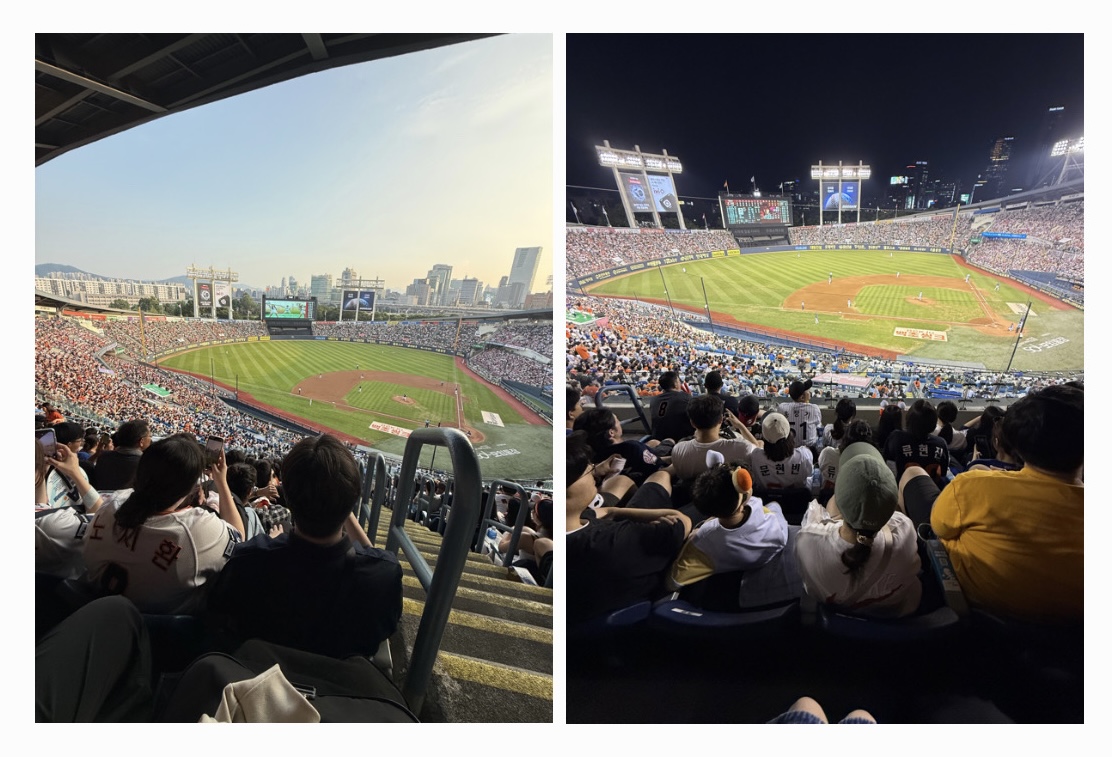 I think it was a great opportunity to learn not only the Japanese perspective, but also the Korean perspective.
Personally, I enjoyed eating meals in nature with friends and going to baseball games. Spending every day in an unfamiliar place and speaking a language other than your native language can be mentally exhausting, so I recommend spending the weekend in a place like a park where you can feel nature, as it's a great way to refresh yourself. Also, watching sports events held around the world allows you to experience the differences from your own country and make new discoveries, and above all, it's fun, so I recommend it.
Future goals
I came to Korea already able to converse in Korean to a certain extent, but studying abroad allowed me to pass the Korean Language Proficiency Test Level 6. I would like to use this experience to help promote exchanges between Japan and Korea, by conveying the good things about Japan and, conversely, by sharing what I learned while studying abroad with people in Japan. In the future, I would also like to take advantage of my position Faculty of Law to learn more about Korean law and take part in activities that will help strengthen Japan-Korea relations.
I've always been interested in other countries and wanted to study abroad. Our university has a comprehensive study abroad program, so I was wondering where to go when I heard that AUKP had been established. Korea is a neighboring country, and I have Korean friends and have visited there many times, so I chose it as the perfect place for my first study abroad destination.
Local classes and life
Local classes were divided into levels (beginner 1, 2/intermediate 1, 2/advanced 1, 2) (students took an online level placement test before studying abroad). Classes consisted of around 10-15 students regardless of nationality (classes changed every semester). All classes were taught in Korean and lasted for four hours from 9:00 to 13:00 (50-minute classes with 10-minute breaks x 4). There was a two-hour seminar on Wednesday afternoons and a two-hour culture class on Thursday afternoons, with weekends off.
In the first semester (Intermediate 2), the schedule was 2 hours of grammar and 2 hours of other techniques (listening, reading, writing, or speaking, alternating each day). In the next semester (Advanced 1), the schedule was 1 hour of grammar and 3 hours of other techniques. There are midterm and final exams during the semester, and if you pass you can move up to a higher class in the next semester. Regarding classes, of course you should review, but if you come across vocabulary you don't understand during class it will slow down your understanding, so I recommend doing as much preparation as possible if you have time.
Regarding my life, I lived in a dormitory at the university I attended while I was in Korea. There were two of us (same gender) in one room, and my roommate was a student at Asia University. It was about a 15-minute walk to the university, but there was a bus that departed near the dormitory, and it took about five minutes, so I used it often. The bus cost about 150 yen one way, but I used a "Climate Card," which was like a Seoul bus and train pass for 55,000 won a month, giving me unlimited rides on buses and trains. The dormitory was adequate for living, and I was able to cook a reasonable amount of food. Since it was near the university, there were many restaurants offering set meals, so I had no trouble finding food. There were also Daiso and Olive Young nearby, so I had no trouble finding daily necessities. The bathroom was a modular bath, with only a shower, no bathtub. The beds were bunk beds.
Memorable events
During my time abroad, I participated in a cultural exchange program for Japanese students at a local university. I visited regions that have deep ties to Japan, learned about the history and culture unique to those regions, and also went to theater performances and museums.
I think it was a great opportunity to learn not only the Japanese perspective, but also the Korean perspective.Personally, I enjoyed eating meals in nature with friends and going to baseball games. Spending every day in an unfamiliar place and speaking a language other than your native language can be mentally exhausting, so I recommend spending the weekend in a place like a park where you can feel nature, as it's a great way to refresh yourself. Also, watching sports events held around the world allows you to experience the differences from your own country and make new discoveries, and above all, it's fun, so I recommend it.
Future goals
I came to Korea already able to converse in Korean to a certain extent, but studying abroad allowed me to pass the Korean Language Proficiency Test Level 6. I would like to use this experience to help promote exchanges between Japan and Korea, by conveying the good things about Japan and, conversely, by sharing what I learned while studying abroad with people in Japan. In the future, I would also like to take advantage of my position Faculty of Law to learn more about Korean law and take part in activities that will help strengthen Japan-Korea relations.
<Updated on January 20, 2026>