
Competing on the world stage
Athlete
What is mental health?
Athlete
What is mental health?
#Asia University research
Professor Yasuhisa Tateya
Faculty of Health and Sport Science Department of Health and Sport Science
2026.07.01
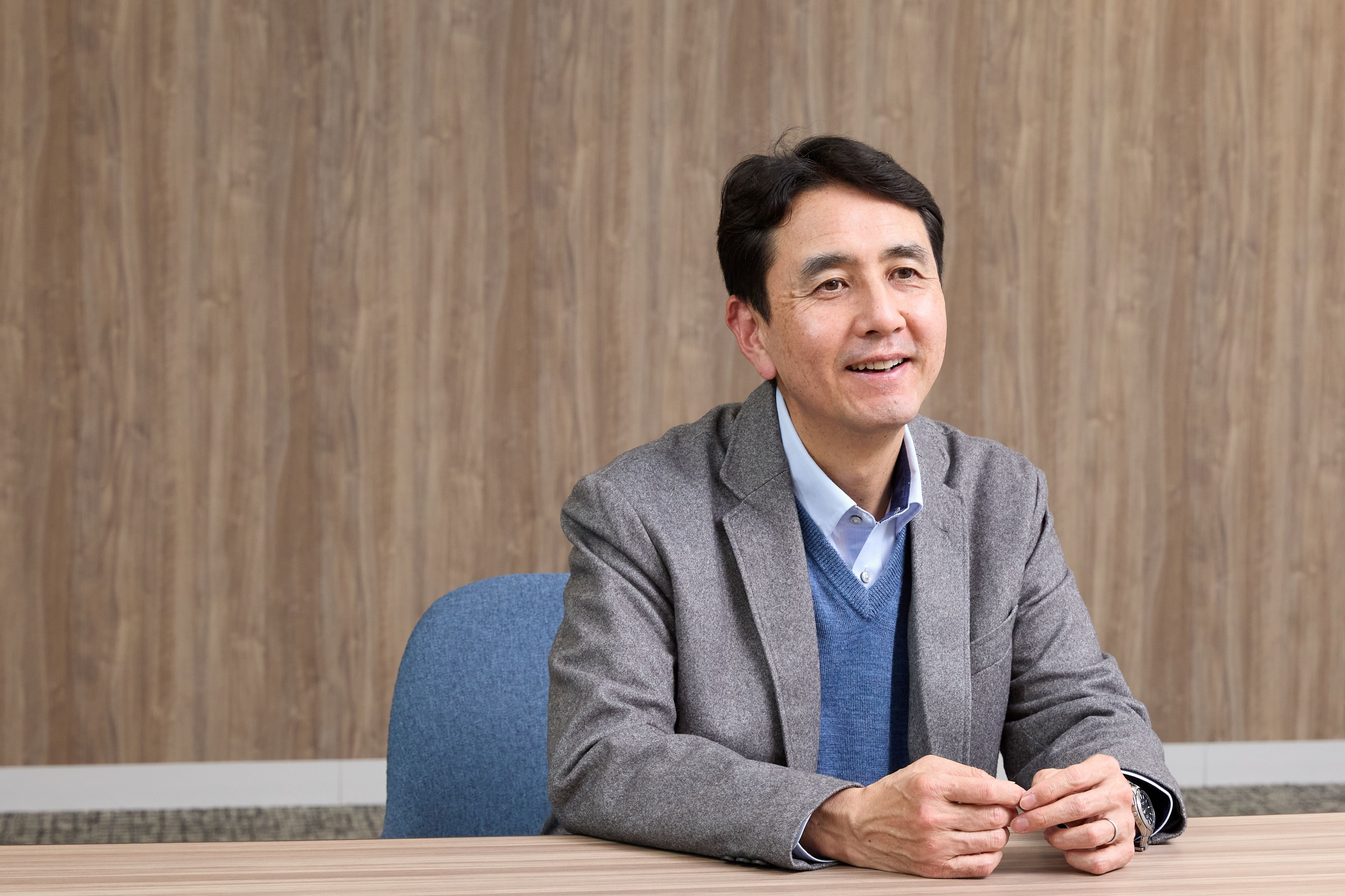
In our series "If it's not interesting, it's not scholarship!", we introduce research and anecdotes of faculty members at Asia University. Our 22nd featured professor is Professor Yasuhisa Tatsuya Faculty of Health and Sport Science, Department of Health and Sport Science.

From a baseball-loving boy to a sports psychology research
Actually, ever since I was a child, I've felt that a player's mindset affects their performance, and especially during my high school years, I keenly felt that in order to get results in matches, it wasn't just about improving my technique, but also about being in good mental shape.
Taking psychology classes at university, I became increasingly interested in the relationship between athletic performance and the mind, and in my third year, I joined a seminar on physical education and sports psychology. The seminar professor was a leading expert in mental training in Japan. Through the seminar, my interest in the potential of mental training in sports deepened, and after graduating from undergraduate school, I went on to Graduate School and worked as Research Associate under the same professor, conducting research and providing support, thus embarking on a career as research in sports psychology and mental training.
Prior to becoming a faculty member in Faculty of Health and Sport Science Asia University, I worked as a research at the Japan Institute of Sports Science (JISS), where I was involved in research aimed at improving the performance of top athletes, including Olympic representatives, and providing mental support to athletes and teams in various sports.
Supporting top athletes on the world stage
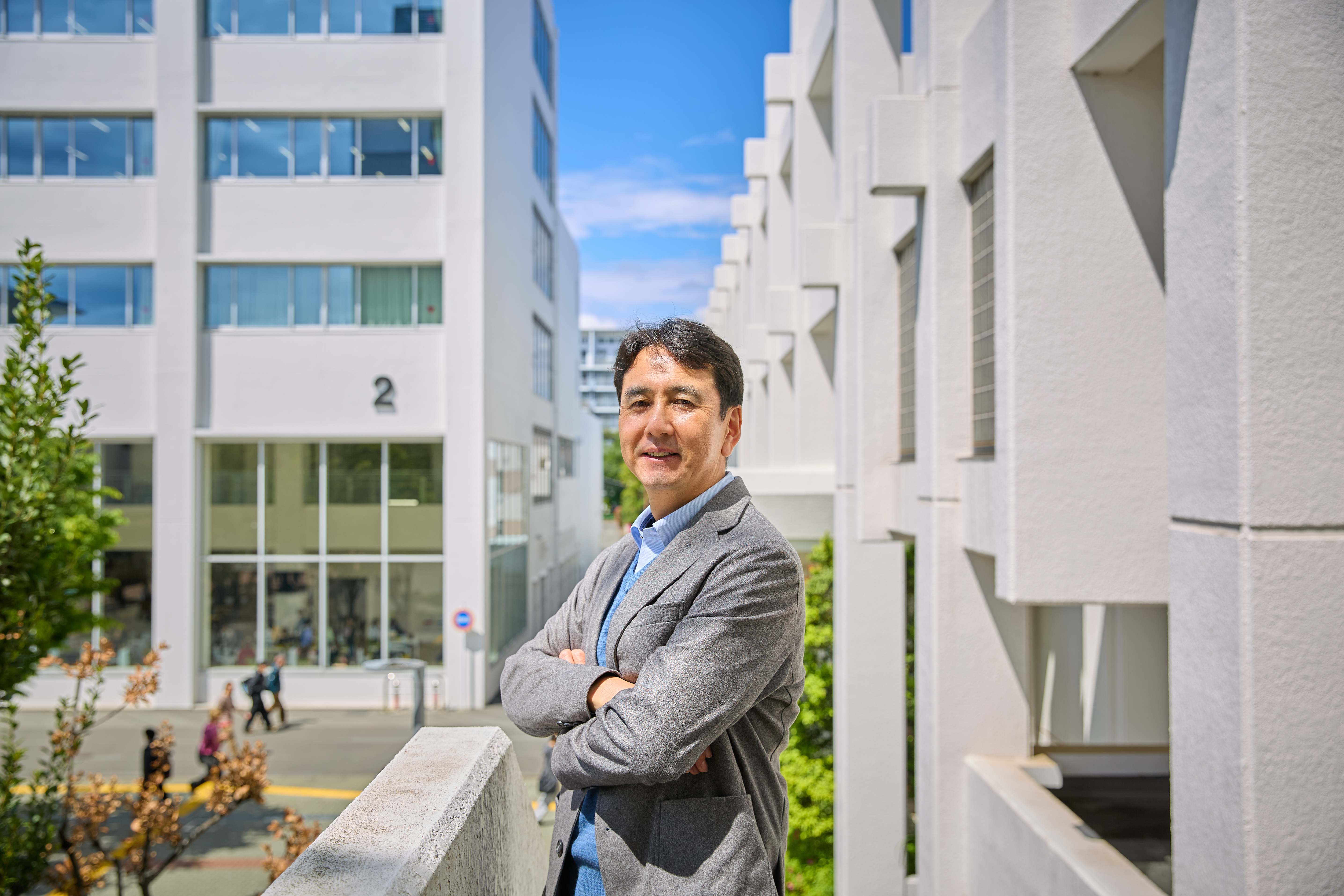
As research at JISS, I have focused on applied research that is directly related to actual matches and training sessions, rather than basic research, and have emphasized whether it is truly useful in the field of competition.
At JISS, I had many opportunities to accompany athletes to the Olympics and World Championships. My first experience as a mental coach with the Japanese Olympic team was at the 2010 Vancouver Winter Olympics in Canada. I continued to gain experience at the Winter Olympics, including the 2014 Sochi Games in Russia and the 2018 Pyeongchang Games in South Korea.
During the tournament, I spent time with the national team and witnessed firsthand the intense pressure the athletes were under. In world championships, even the slightest misjudgment or wavering of emotions can determine the outcome. In such extreme conditions, what do the athletes and coaches think, how do they prepare, and how do they approach the actual competition? Supporting that process was a heavy responsibility and a source of great pressure for me, but at the same time, it was an invaluable experience as a mental training research.
And then came the "Tokyo 2020" Olympics, held in our home country. I was appointed as the mental coach for the Japanese men's handball team. The men's handball players had been training hard, aiming to participate in the Olympics for the first time since the 1988 Seoul Games. However, at the 2019 World Championships, they finished last out of 24 countries, a disappointing result. Despite a clear improvement in team strength, they couldn't secure wins or maintain their leads... The coaches analyzed that one of the reasons for this was "mental issues." That's when I was entrusted with providing mental support.
We immediately began conducting ongoing workshops, primarily during training camps, covering not only the fundamentals of mental training but also a wide range of topics such as improving team communication, team building, and coping with pressure. The athletes didn't shy away from their challenges, but instead seriously considered how they could compete on the world stage, and eventually they were able to demonstrate their true potential in international competitions.
However, the COVID-19 pandemic caused the Tokyo Olympics to be postponed for a year. The athletes faced great anxiety and stress in this uncertain situation. While continuing to provide mental support, I shared with the team the attitude of "focusing on what we can do now."
Then came the main tournament in the summer of 2021. The Japanese national team achieved their first Olympic victory in over 30 years. It was a moment when all the hard work and struggles the athletes had endured were finally rewarded. This achievement also led to the Japanese men's national team, "Comet JAPAN," securing their place in the 2024 Paris Games on their own merit for the first time in 36 years.
Handball is a sport where European teams are overwhelmingly dominant. The Japanese national team, which is at a disadvantage in terms of physical ability and experience, has been seriously considering "how to compete against strong nations," and has been working as a team to improve its mental strength, which was a particular weakness. What is important is to reflect on and analyze the current state of yourself and your team, think about what can be improved from there, and then act on it. And I think it is important not to stop trying even if you fail.
At JISS, I had many opportunities to accompany athletes to the Olympics and World Championships. My first experience as a mental coach with the Japanese Olympic team was at the 2010 Vancouver Winter Olympics in Canada. I continued to gain experience at the Winter Olympics, including the 2014 Sochi Games in Russia and the 2018 Pyeongchang Games in South Korea.
During the tournament, I spent time with the national team and witnessed firsthand the intense pressure the athletes were under. In world championships, even the slightest misjudgment or wavering of emotions can determine the outcome. In such extreme conditions, what do the athletes and coaches think, how do they prepare, and how do they approach the actual competition? Supporting that process was a heavy responsibility and a source of great pressure for me, but at the same time, it was an invaluable experience as a mental training research.
And then came the "Tokyo 2020" Olympics, held in our home country. I was appointed as the mental coach for the Japanese men's handball team. The men's handball players had been training hard, aiming to participate in the Olympics for the first time since the 1988 Seoul Games. However, at the 2019 World Championships, they finished last out of 24 countries, a disappointing result. Despite a clear improvement in team strength, they couldn't secure wins or maintain their leads... The coaches analyzed that one of the reasons for this was "mental issues." That's when I was entrusted with providing mental support.
We immediately began conducting ongoing workshops, primarily during training camps, covering not only the fundamentals of mental training but also a wide range of topics such as improving team communication, team building, and coping with pressure. The athletes didn't shy away from their challenges, but instead seriously considered how they could compete on the world stage, and eventually they were able to demonstrate their true potential in international competitions.
However, the COVID-19 pandemic caused the Tokyo Olympics to be postponed for a year. The athletes faced great anxiety and stress in this uncertain situation. While continuing to provide mental support, I shared with the team the attitude of "focusing on what we can do now."
Then came the main tournament in the summer of 2021. The Japanese national team achieved their first Olympic victory in over 30 years. It was a moment when all the hard work and struggles the athletes had endured were finally rewarded. This achievement also led to the Japanese men's national team, "Comet JAPAN," securing their place in the 2024 Paris Games on their own merit for the first time in 36 years.
Handball is a sport where European teams are overwhelmingly dominant. The Japanese national team, which is at a disadvantage in terms of physical ability and experience, has been seriously considering "how to compete against strong nations," and has been working as a team to improve its mental strength, which was a particular weakness. What is important is to reflect on and analyze the current state of yourself and your team, think about what can be improved from there, and then act on it. And I think it is important not to stop trying even if you fail.
research the psychology unique to top athletes
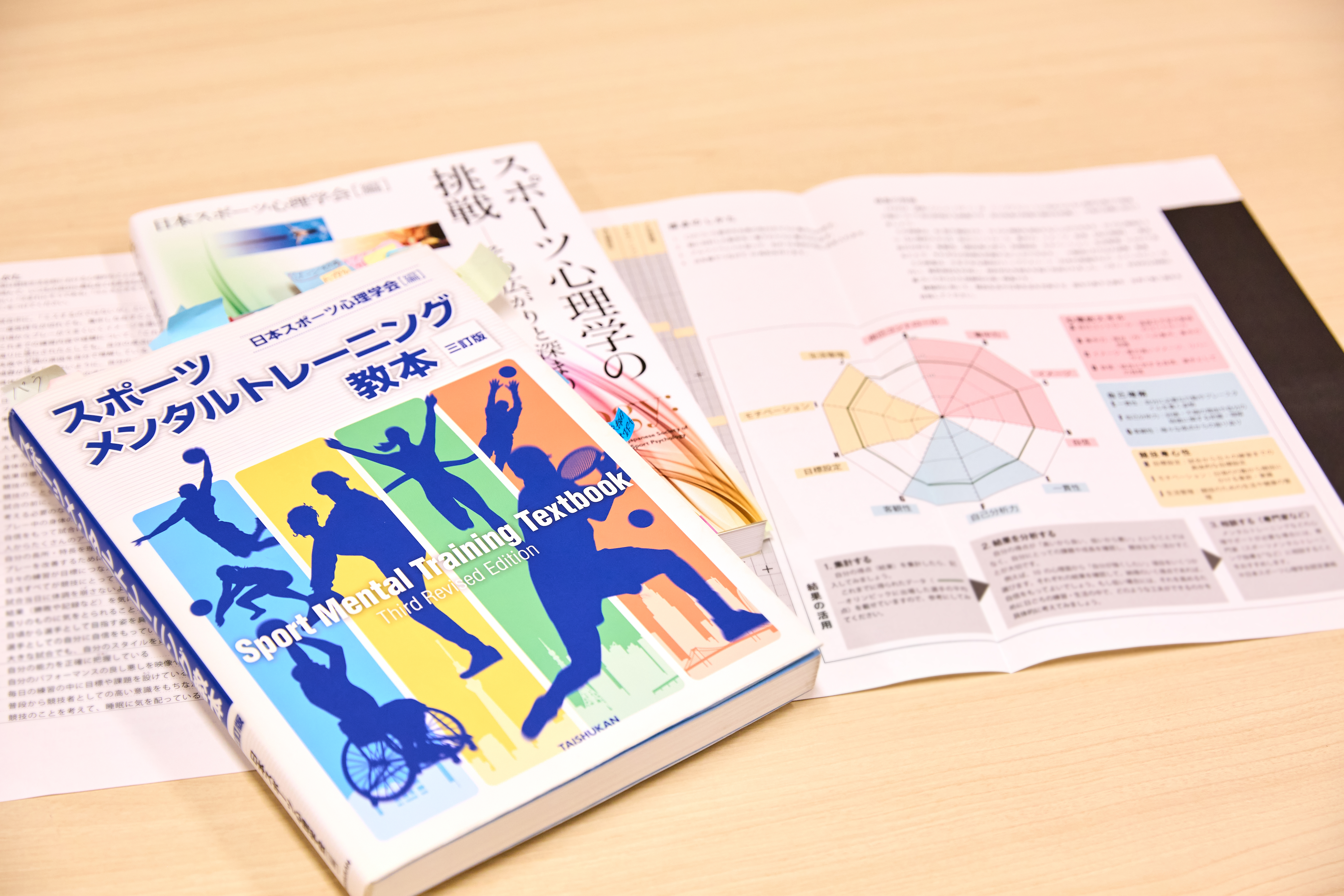
Through my continued mental support at the Olympics, I noticed something: top athletes have unique psychological characteristics.
Athletes who compete at the top of the world level are not simply physically superior. I felt that they share common psychological characteristics, such as the ability to maintain composure in difficult situations, the ability to understand and analyze themselves, and the ability to immerse themselves in their sport.
Leveraging my Olympic experience, I collaborated with research colleagues to investigate the psychological factors necessary for top athletes. As a result of this research, we developed the JISS Psychological Ability Test for Elite Athletes (J-PATEA). This research measures the psychological aspects of top athletes and is characterized by its emphasis on items related to athletes' "self-understanding," such as objectivity, self-analysis ability, and consistency, which were not sufficiently covered by conventional psychological tests. We are confident that this test is highly reliable, as it was created using scientific and statistical procedures based on surveys of hundreds of athletes and interviews with top athletes. The test results are not simply judged by high or low numerical values, but are used to understand each athlete's challenges, strengths, and potential for growth, and can be applied to mental training, counseling, and even daily practice. Currently, we are focusing our efforts on developing methodologies for how to utilize the results of the J-PATEA test to improve athletic performance.
Athletes who compete at the top of the world level are not simply physically superior. I felt that they share common psychological characteristics, such as the ability to maintain composure in difficult situations, the ability to understand and analyze themselves, and the ability to immerse themselves in their sport.
Leveraging my Olympic experience, I collaborated with research colleagues to investigate the psychological factors necessary for top athletes. As a result of this research, we developed the JISS Psychological Ability Test for Elite Athletes (J-PATEA). This research measures the psychological aspects of top athletes and is characterized by its emphasis on items related to athletes' "self-understanding," such as objectivity, self-analysis ability, and consistency, which were not sufficiently covered by conventional psychological tests. We are confident that this test is highly reliable, as it was created using scientific and statistical procedures based on surveys of hundreds of athletes and interviews with top athletes. The test results are not simply judged by high or low numerical values, but are used to understand each athlete's challenges, strengths, and potential for growth, and can be applied to mental training, counseling, and even daily practice. Currently, we are focusing our efforts on developing methodologies for how to utilize the results of the J-PATEA test to improve athletic performance.
I want to create a new field of learning with students.
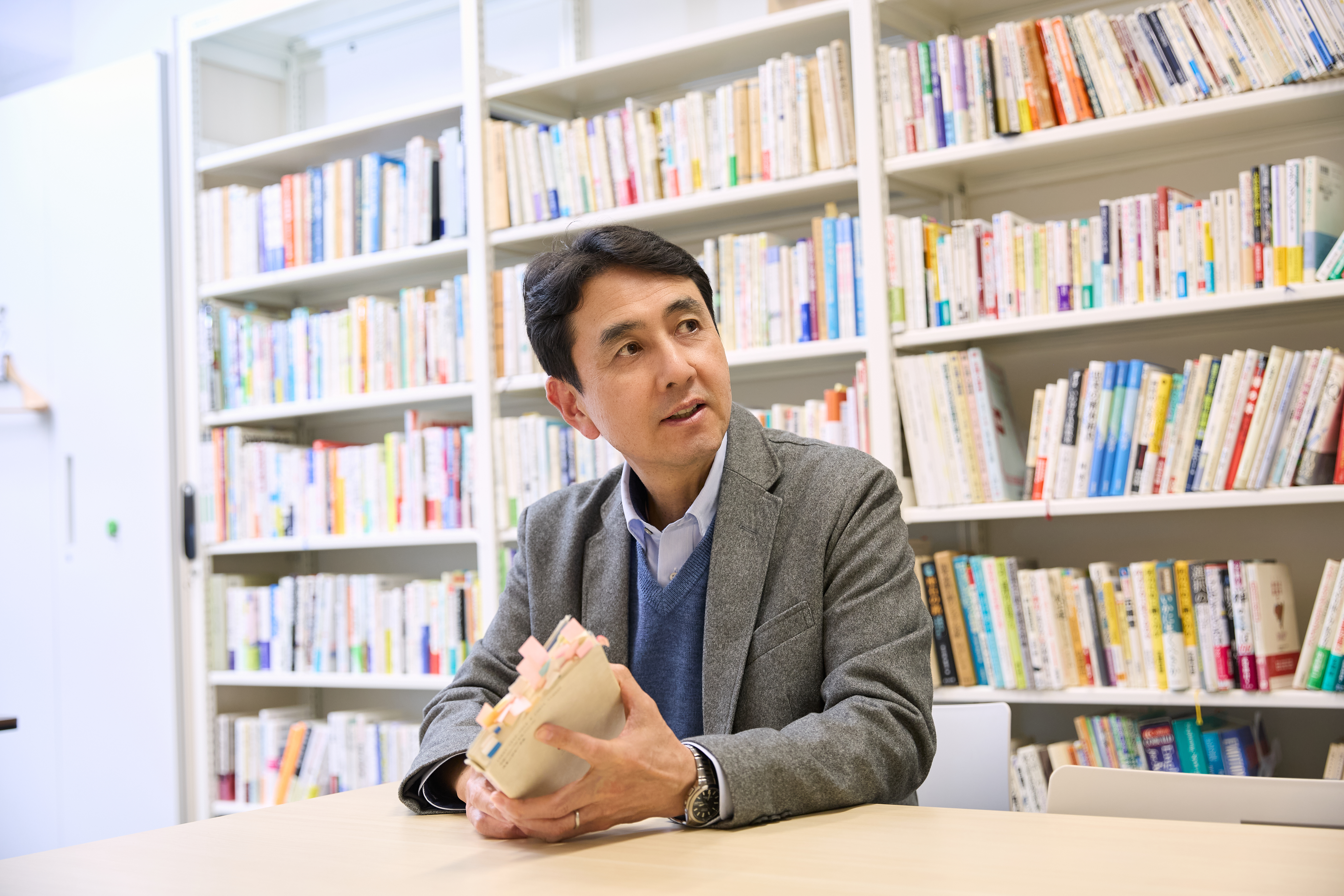
Starting in 2026, I will be returning to university education after approximately 30 years, and I am very excited to be interacting with young students who are the same age as my own children. Asia University is one of the nation's leading sports powerhouses, with (Hardball) Baseball Club and Track and Field Club among the best in the country. Many professional baseball players have come from (Hardball) Baseball Club, and Hirokazu Ibata, the manager of the 2026 WBC Samurai Japan team, is also an Asia University alumnus. I would like to share the results and experience of my research on mental training and other areas with university athletes in various sports.
In my undergraduate courses, I want students to reflect on their own lives through the lens of sports psychology. The word "life" might sound a little grand, but everyone faces a moment when they seriously consider how they live their lives. The ability to confront oneself and think things through at that time has a significant impact on future growth and life.
Sports psychology is not simply a discipline about mental strength, nor is it only for athletes. For example, I believe that top business leaders also possess high abilities in the area of "self-understanding," which is one of the J-PATEA assessment items. By studying sports psychology, you will be able to gain many hints that will enrich your life and make you happier. I want my students to believe in their own potential and take on many challenges. I will gladly cooperate in any way I can to help them with that, and I want to be a teacher who can stimulate their curiosity and give them dreams and hope.
During my university years, I met a mentor who was a leading expert in mental training, and that led me to where I am today as a specialist in sports psychology and mental training. I believe that teaching university students now is a way of giving back to that person. At the same time, I myself hope to learn a great deal from the students. I would be happy if we could inspire each other and grow as individuals by being exposed to the unique sensibilities and ideas of the younger generation.
In my undergraduate courses, I want students to reflect on their own lives through the lens of sports psychology. The word "life" might sound a little grand, but everyone faces a moment when they seriously consider how they live their lives. The ability to confront oneself and think things through at that time has a significant impact on future growth and life.
Sports psychology is not simply a discipline about mental strength, nor is it only for athletes. For example, I believe that top business leaders also possess high abilities in the area of "self-understanding," which is one of the J-PATEA assessment items. By studying sports psychology, you will be able to gain many hints that will enrich your life and make you happier. I want my students to believe in their own potential and take on many challenges. I will gladly cooperate in any way I can to help them with that, and I want to be a teacher who can stimulate their curiosity and give them dreams and hope.
During my university years, I met a mentor who was a leading expert in mental training, and that led me to where I am today as a specialist in sports psychology and mental training. I believe that teaching university students now is a way of giving back to that person. At the same time, I myself hope to learn a great deal from the students. I would be happy if we could inspire each other and grow as individuals by being exposed to the unique sensibilities and ideas of the younger generation.