
"Gibier Promotion"
Protecting agriculture,
Revitalizing the local community
Protecting agriculture,
Revitalizing the local community


#Asia University research
ITO Masami Professor
Faculty of Business Administration Department of Business Administration
2026.02.01
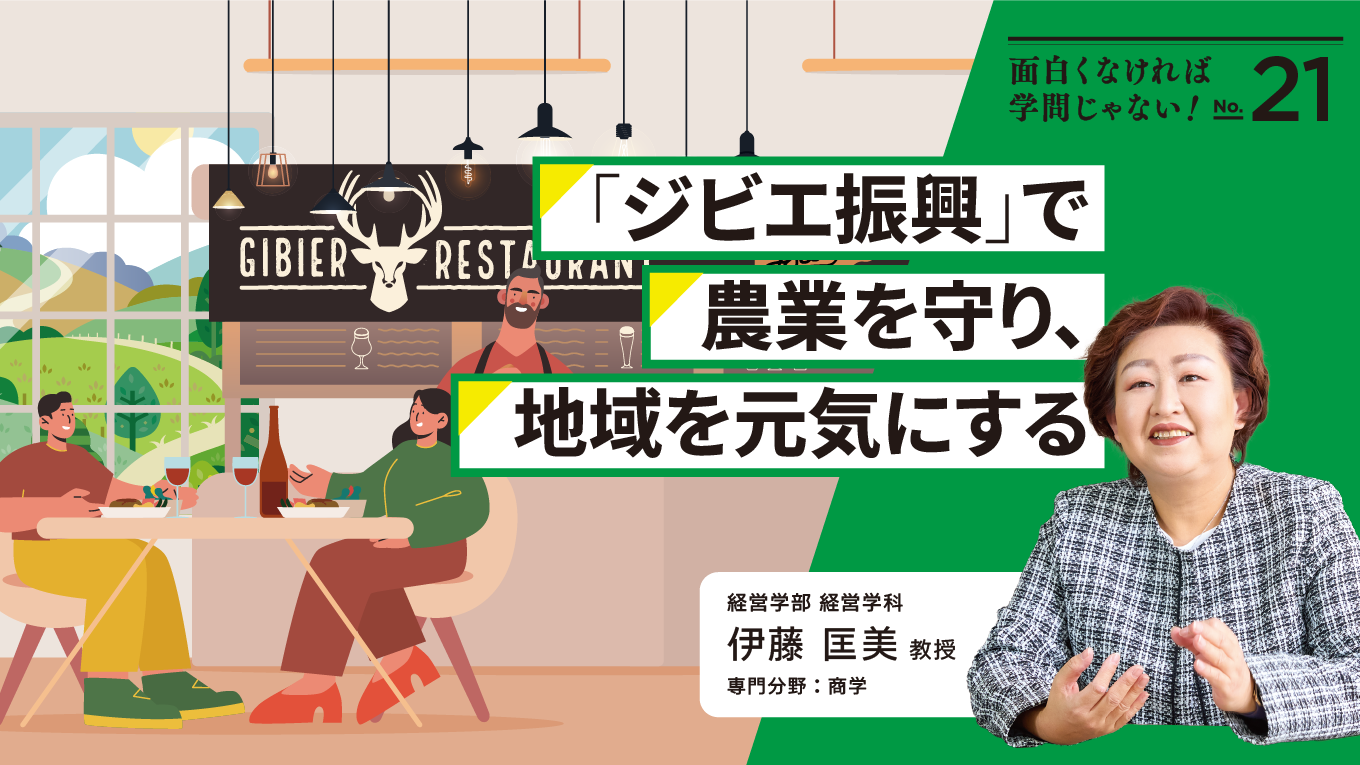
The series project "If it ain't interesting, it ain't academic!" will feature research content and episodes from Asia University faculty members. The 21st edition features Faculty of Business Administration the Department of Management ITO Masami Professor
Considering the relationship between "town" and "store" from the perspective of marketing and distribution
As a child, I loved watching TV commercials, and my eyes would light up when I saw information about new products, such as sweets. Growing up in an environment with a shopping district nearby, I developed an interest in the mechanisms for selling products and the efforts of stores. When it came time to go to university, I chose Faculty of Business Administration because I could study marketing. As a university student, I realized that rather than the "study" that was constrained by the schedule I had followed in high school, I could pursue "scholarship" that satisfied my interests. There was a lot to learn that went beyond classroom lectures, and I was fascinated by how fascinating it was. Hoping to continue learning as long as possible, I went on to Graduate School. Many of the professors at Graduate School were free-spirited and unique, and sometimes Professor I thought were "interesting" turned out to be leading experts in their research. Influenced by the unconventional personalities of these professors, I continued my graduate research all the way to Graduate School program and pursued a career as a researcher.
In Graduate School, I focused research on the relationship between "towns" and "stores," focusing mainly on small- and medium-sized retail businesses and regional revitalization. During my time as a graduate student, large-scale stores began to expand into various areas, causing traditional shopping districts and communities to decline. As someone who grew up alongside shopping districts, I could not ignore this situation. In order to somehow bring vitality and energy back to the areas, I have been thinking about town development and regional revitalization, primarily through "food," sometimes together with local governments and store owners.
My motto as research is to walk with my own feet and see and hear with my own eyes and ears

As research, I try to visit fields all over the country myself whenever possible. Since it is academic research, it is important to read books and papers in my field of expertise, but I think it is even more important to walk around and see and hear firsthand the challenges and problems of each region, and of course the charms of each region. Above all, it is the most fun to meet the various towns and the people who live and do business there! I also love to eat, so the attractive ingredients and cuisine of each region are another motivation for research.
For the past 10 years or so, I have been particularly involved in "regional revitalization through the promotion of game meat." As many of you may know, "game" is French for the meat of wild birds and animals (such as wild boar, deer, rabbit, duck, pheasant, pigeon, and quail) captured through hunting. In France and other parts of Europe, the food culture of game cuisine has long been cultivated, centered around the aristocracy. In fact, even in Japan during the Edo period, when eating wild meat was prohibited, people in mountainous regions secretly enjoyed game such as wild boar and deer. Even today, the terms "botan" (botan) and "momiji" (momiji) are thought to be remnants of the slang used at the time.
In recent years, the number of restaurants serving wild game dishes has increased dramatically in Japan. The reason behind this is the damage to crops caused by an overpopulation of wild birds and animals.
While recent incidents of fatalities caused by Asiatic black bears and brown bears have become a social problem, overpopulations of wild deer and boars have been causing serious damage to fields and feeding on cypress bark and alpine plants for a long time. According to a survey by the Ministry of Agriculture, Forestry and Fisheries, the total damage caused to agricultural products by wild birds and animals in fiscal year 2023 amounted to a staggering 16.4 billion yen. With the declining and aging agricultural workforce already a problem, this damage is causing significant damage to rural areas and Japan's agriculture. Therefore, the government is currently promoting measures to combat crop damage based on three pillars: capture (reducing populations), protective fences (protecting farmland), and environmental improvement (preventing animals from entering human settlements).
For the past 10 years or so, I have been particularly involved in "regional revitalization through the promotion of game meat." As many of you may know, "game" is French for the meat of wild birds and animals (such as wild boar, deer, rabbit, duck, pheasant, pigeon, and quail) captured through hunting. In France and other parts of Europe, the food culture of game cuisine has long been cultivated, centered around the aristocracy. In fact, even in Japan during the Edo period, when eating wild meat was prohibited, people in mountainous regions secretly enjoyed game such as wild boar and deer. Even today, the terms "botan" (botan) and "momiji" (momiji) are thought to be remnants of the slang used at the time.
In recent years, the number of restaurants serving wild game dishes has increased dramatically in Japan. The reason behind this is the damage to crops caused by an overpopulation of wild birds and animals.
While recent incidents of fatalities caused by Asiatic black bears and brown bears have become a social problem, overpopulations of wild deer and boars have been causing serious damage to fields and feeding on cypress bark and alpine plants for a long time. According to a survey by the Ministry of Agriculture, Forestry and Fisheries, the total damage caused to agricultural products by wild birds and animals in fiscal year 2023 amounted to a staggering 16.4 billion yen. With the declining and aging agricultural workforce already a problem, this damage is causing significant damage to rural areas and Japan's agriculture. Therefore, the government is currently promoting measures to combat crop damage based on three pillars: capture (reducing populations), protective fences (protecting farmland), and environmental improvement (preventing animals from entering human settlements).
The present and future of "Gibier promotion" in local communities
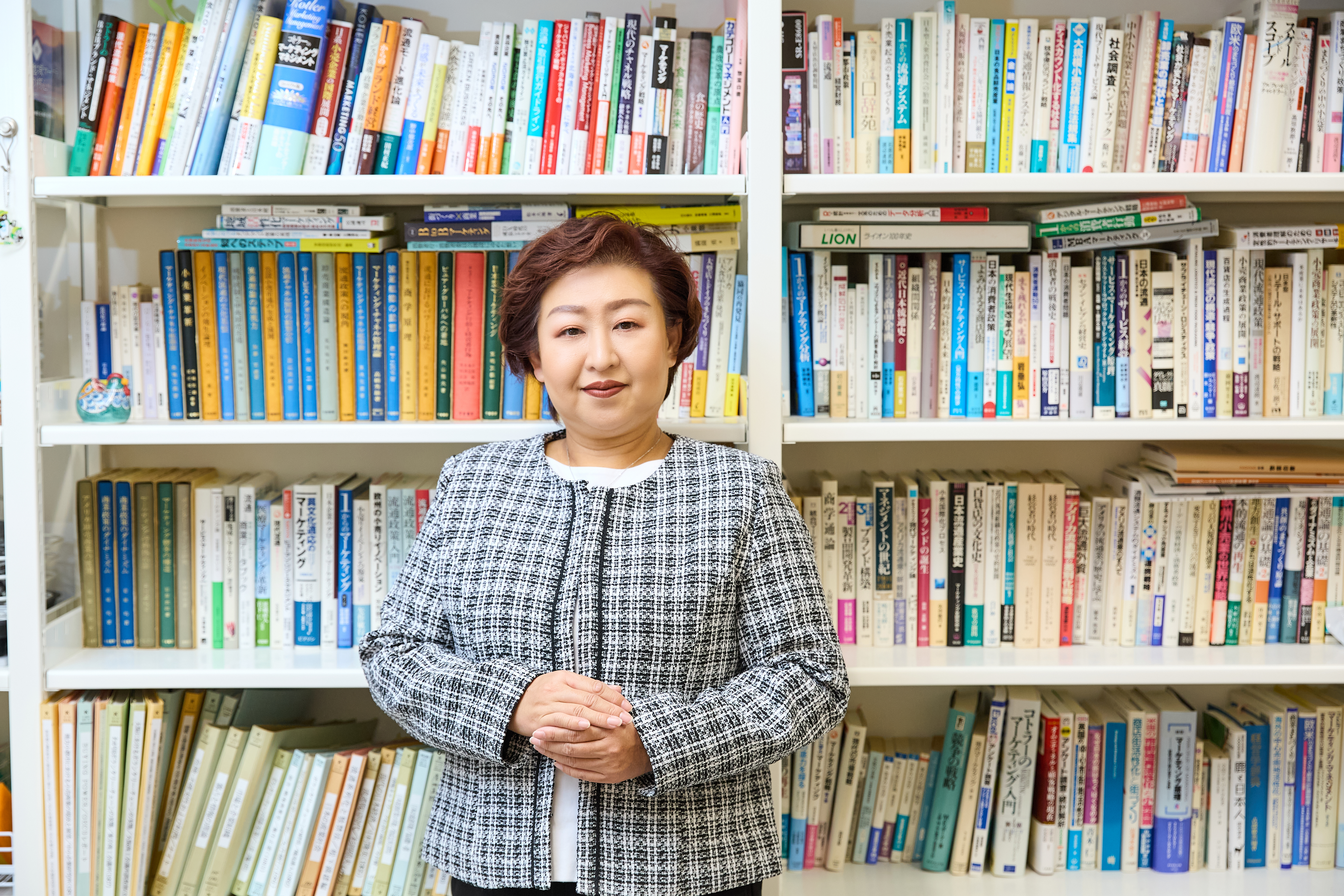
Currently, there are approximately 700 species of wild birds and animals in Japan, of which approximately 50 are subject to hunting. Hunters are legally permitted to hunt from November 15th to February 15th of the following year, in most areas except Hokkaido. While capturing birds and animals with a hunting rifle or traps takes their lives in order to reduce their populations, a "Gibier Promotion" initiative is underway across the country, effectively utilizing these lives as gibier. The nutritional value of gibier cuisine, including its high protein content, low fat content, and abundance of iron, is a major attraction. The aim of the "Gibier Promotion" initiative is to utilize the bounty of the mountains as a local resource and make it a pillar of economic support for mountain villages.
Future challenges will likely be a decline in the number of hunters and their aging. Furthermore, even if wild game is successfully captured, legal slaughter is required for its use. Securing such facilities and the necessary personnel is essential. In fact, only about 10% of deer and wild boar captured in fiscal year 2024 were processed at slaughterhouses. Even so, the volume has more than doubled in eight years, from 1,283 tons in fiscal year 2016 to 2,678 tons. The government has set a target of 4,000 tons of wild game consumption for fiscal year 2029. To achieve this, it is necessary to gather and develop people involved in wild game promotion, and solutions that take into account the environment and circumstances surrounding each region are required. I have listened to the voices of local governments and residents and provided various advice on promoting wild game as a community business. I plan to continue visiting local areas to closely monitor how wild game promotion can take root in the region.
Future challenges will likely be a decline in the number of hunters and their aging. Furthermore, even if wild game is successfully captured, legal slaughter is required for its use. Securing such facilities and the necessary personnel is essential. In fact, only about 10% of deer and wild boar captured in fiscal year 2024 were processed at slaughterhouses. Even so, the volume has more than doubled in eight years, from 1,283 tons in fiscal year 2016 to 2,678 tons. The government has set a target of 4,000 tons of wild game consumption for fiscal year 2029. To achieve this, it is necessary to gather and develop people involved in wild game promotion, and solutions that take into account the environment and circumstances surrounding each region are required. I have listened to the voices of local governments and residents and provided various advice on promoting wild game as a community business. I plan to continue visiting local areas to closely monitor how wild game promotion can take root in the region.
We also asked our seminar students to actually walk around the town and listen to what people had to say.
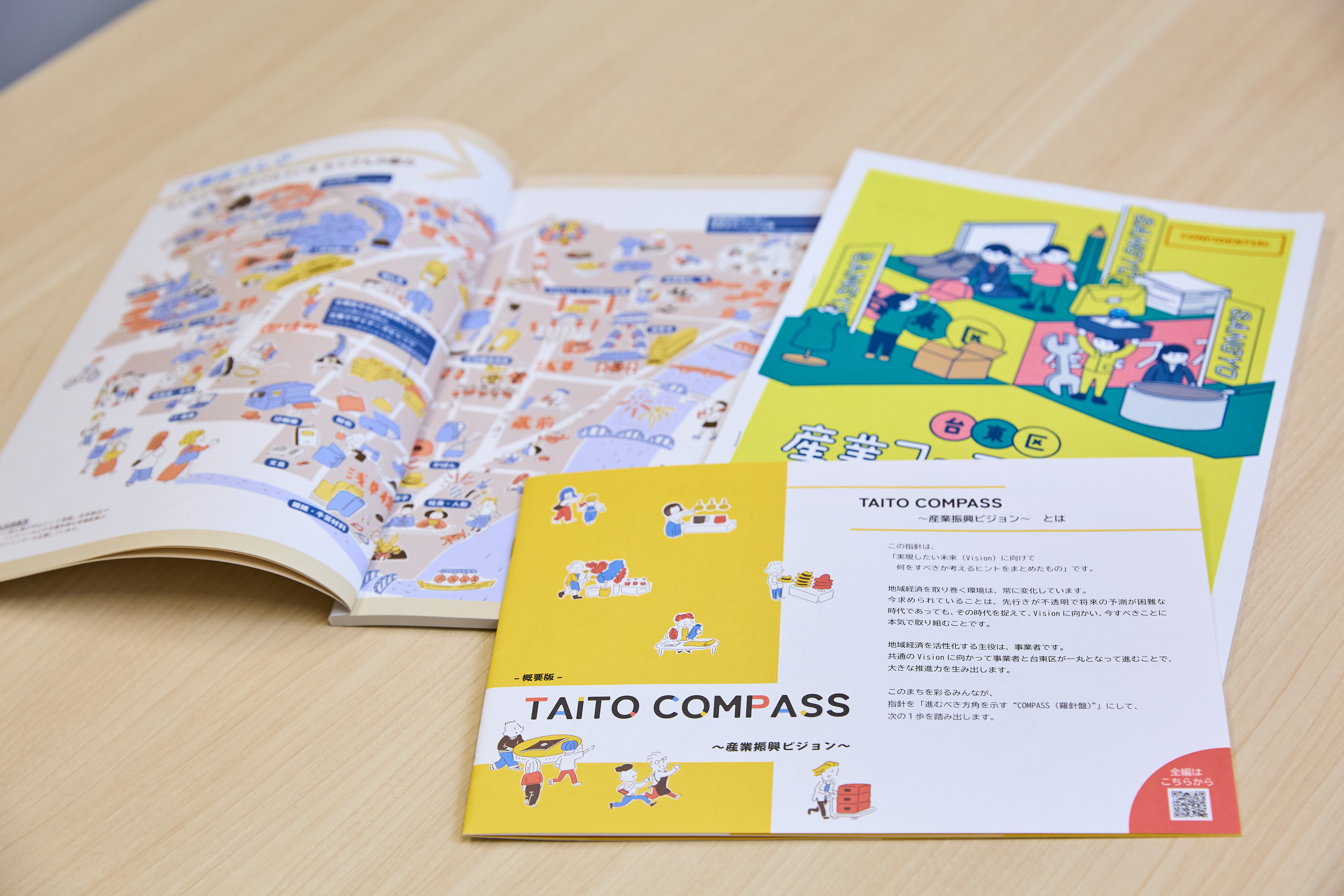
Since I myself value fieldwork, I encourage my seminar students to actually visit towns and shopping districts to find research themes.
There are no students yet who have chosen the promotion of gibier in mountain villages as their research theme, but since I was a member of the Taito Ward Industrial Promotion Council and chairman of the Industrial Fair Executive Committee, I have asked them to research discuss the promotion and revitalization of areas in Taito Ward such as Kuramae and Yanaka, which have been attracting attention from the younger generation and inbound tourists in recent years. I am also working with the local people and their families. Through on-the-spot observation and communication with local people, students broaden their perspectives on society and business.
University is not a place to "study" what is written in textbooks as in high school, but a place where students can acquire social skills, a broad perspective, and the ability to communicate with many people through experience, discussion, and the exchange of opinions. Playing and drinking (over the age of 20, of course) with fellow students in your department or seminar, or with people much older than you in the fields you visit for research is also necessary "learning" as a university student. Business administration is said to be a "social science," but I don't think you can truly understand marketing and distribution without knowing the "people" who make up "society.
The career options of students in the seminar are wide-ranging, with some graduates working as public servants or in distribution and marketing-related jobs related to regional development. There are also students who started their own businesses while still students and are now running Japanese restaurants in Vietnam after leaving Japan. As a faculty member, I could not be happier if their experiences in my seminar have motivated and energized them, even if only a little.
There are no students yet who have chosen the promotion of gibier in mountain villages as their research theme, but since I was a member of the Taito Ward Industrial Promotion Council and chairman of the Industrial Fair Executive Committee, I have asked them to research discuss the promotion and revitalization of areas in Taito Ward such as Kuramae and Yanaka, which have been attracting attention from the younger generation and inbound tourists in recent years. I am also working with the local people and their families. Through on-the-spot observation and communication with local people, students broaden their perspectives on society and business.
University is not a place to "study" what is written in textbooks as in high school, but a place where students can acquire social skills, a broad perspective, and the ability to communicate with many people through experience, discussion, and the exchange of opinions. Playing and drinking (over the age of 20, of course) with fellow students in your department or seminar, or with people much older than you in the fields you visit for research is also necessary "learning" as a university student. Business administration is said to be a "social science," but I don't think you can truly understand marketing and distribution without knowing the "people" who make up "society.
The career options of students in the seminar are wide-ranging, with some graduates working as public servants or in distribution and marketing-related jobs related to regional development. There are also students who started their own businesses while still students and are now running Japanese restaurants in Vietnam after leaving Japan. As a faculty member, I could not be happier if their experiences in my seminar have motivated and energized them, even if only a little.
Related Links
- Faculty of Business Administration TOP
- Faculty Faculty of Business Administration Faculty Introduction
- Faculty of Business Administration Department of Business Administration Department Introduction
- Faculty Faculty of Business Administration of Business Administration 4 years of study
- Faculty of Business Administration of Business Administration Course Model
- Faculty of Business Administration of Business Administration Classes/Special Lecture
- Faculty of Business Administration of Business Administration Seminar
- Faculty of Business Administration Department of Business Administration Faculty