
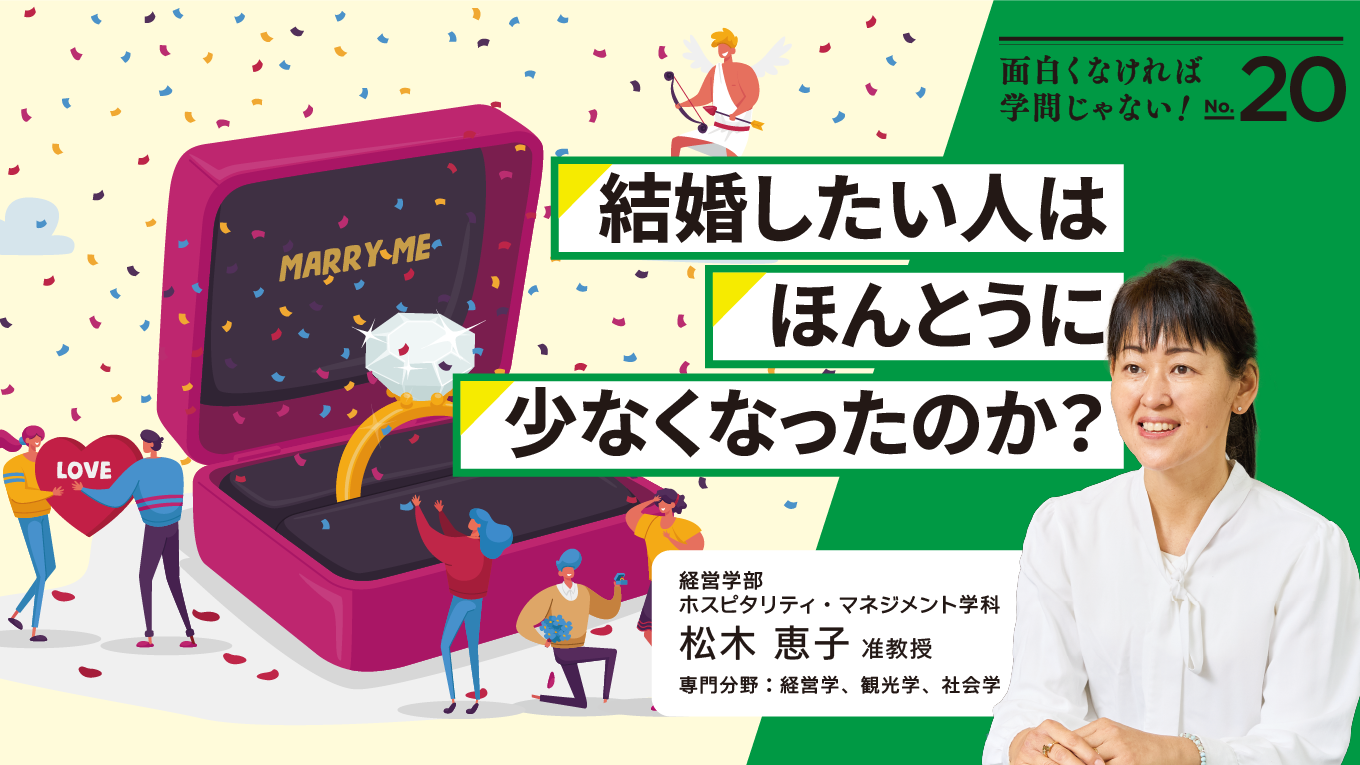
People who want to get married
very
Has it become less?
very
Has it become less?
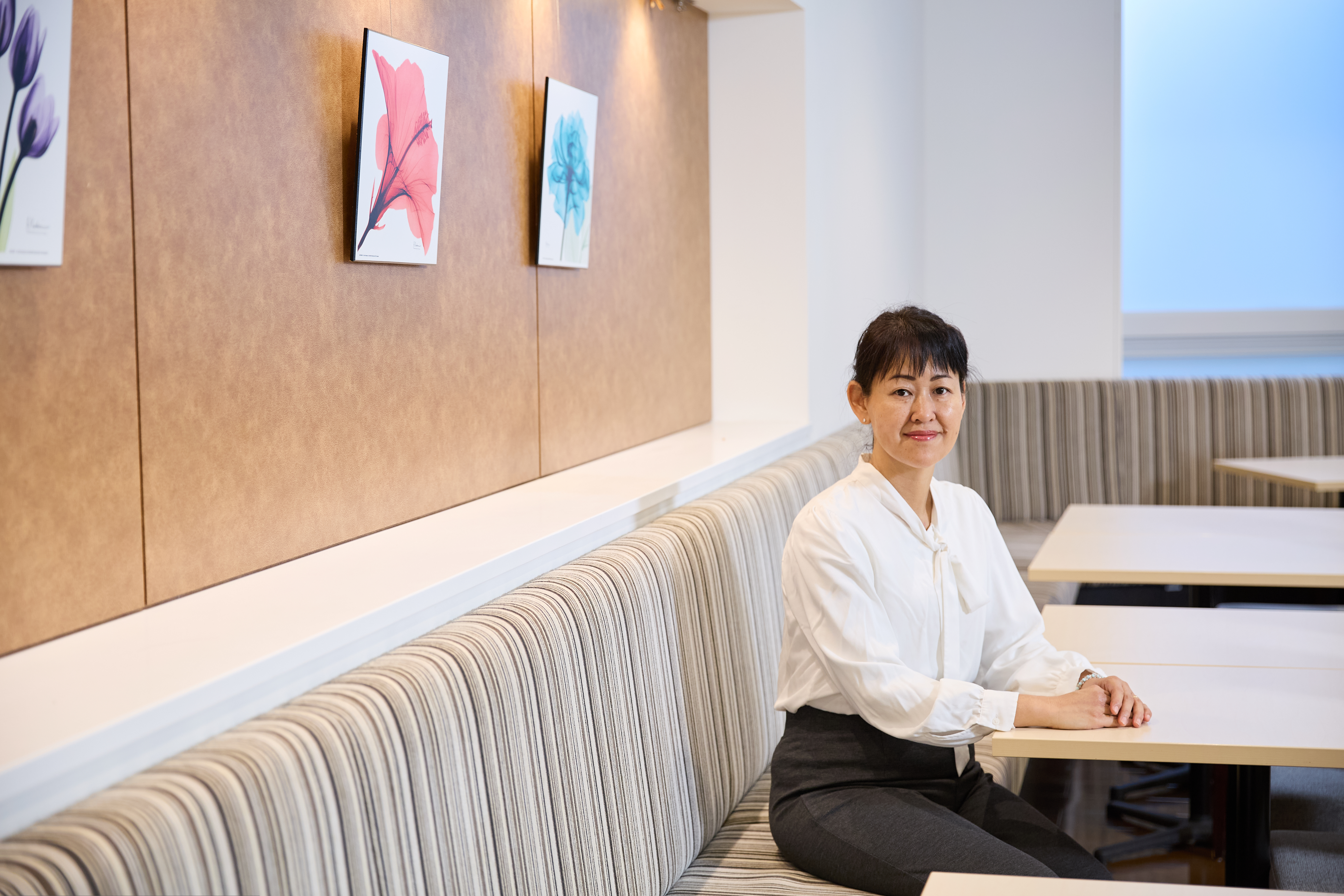
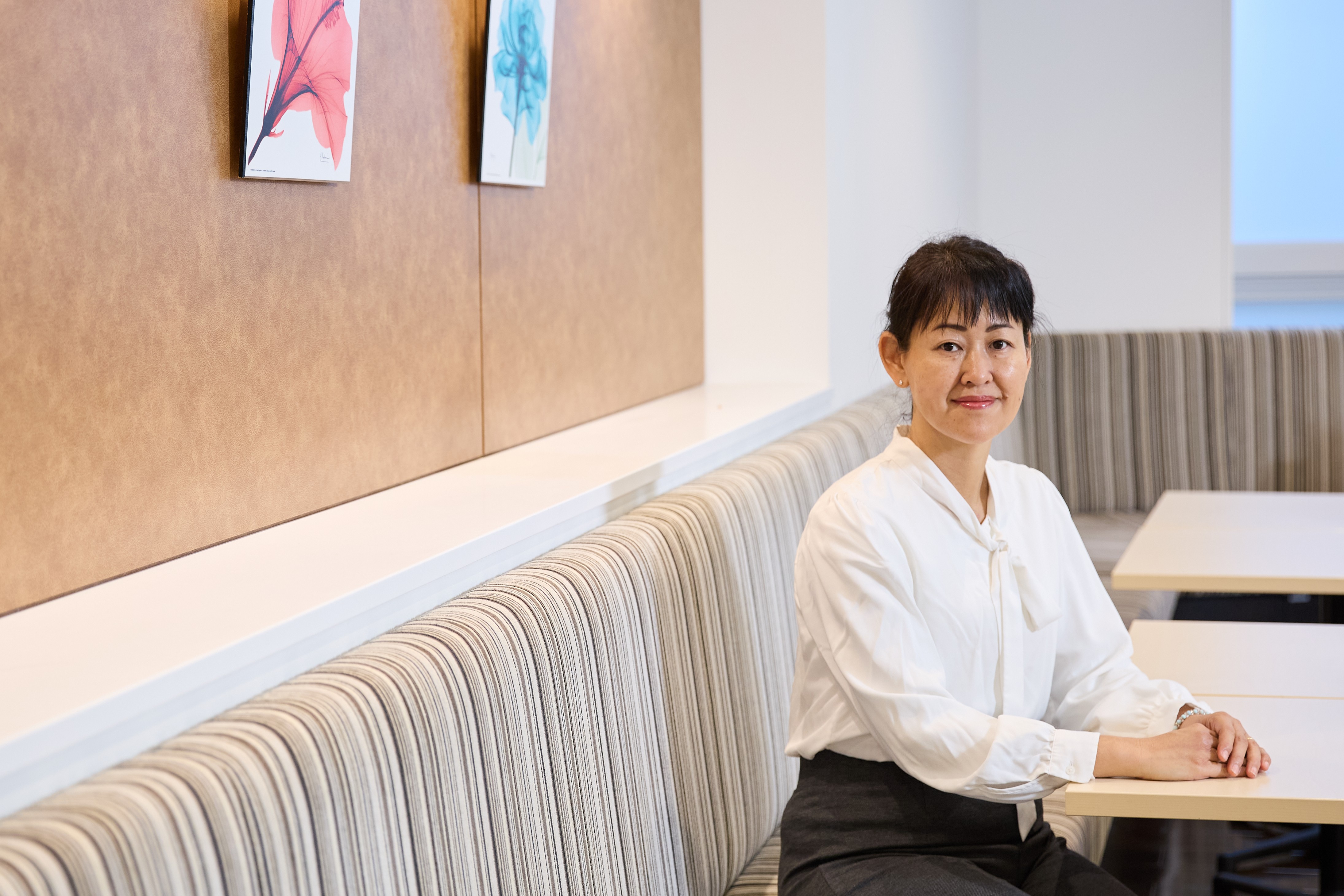
#Asia University research
MATSUKI Satoko Associate Professor
Faculty of Business Administration Administration, Department of Hospitality Management
2026.01.01
In our series "If it's not interesting, it's not academia!", we introduce research content and anecdotes of Asia University faculty members. The 20th installment features Associate Professor MATSUKI Satoko of the Department of Hospitality Management Faculty of Business Administration.
A connection that led to studying at Nagoya and finding employment at Recruit
Nagoya was a place I had never had any connection with before, but the four years I spent at university there were unforgettable. During my time at university, I discovered the joy of traveling, and eventually traveled around America and Europe as a backpacker. University students have a lot of time and freedom. The experience of visiting unfamiliar places was simply fun. But I realized that such days would eventually come to an end. Not wanting to let go of my "freedom," I gave up on the job search I had begun halfway through.
As a result, at the time of graduation, I was the only one among my friends who hadn't decided career options. Of course not (laughs). My parents were worried and advised me to "study if you're not going to get a job", which I thought was a good idea so I decided to become Research Student at Kobe University, which I could commute to from my parents' house, and study psychology, which had become an interest of mine during my university days.
While studying psychology was interesting every day as Research Student, I realized that those four wonderful years spent with my peers would never come back. It was at this time that my best friend from university contacted me. She invited me to come work at Recruit Co., Ltd., where she worked. I interviewed with several employees around August, and to my surprise, the first interviewer was wearing a T-shirt and shorts. I thought, "This is a great company!" (laughs). It was completely different from the interviews I had with financial institutions and broadcasting companies during my undergraduate years. I wasn't asked about my reasons for wanting to work there, and at the final interview, the interviewer shook my hand, and I was offered the job.
I'm embarrassed to say this now, but in my case, going to university and finding employment were all the result of chance "connections."
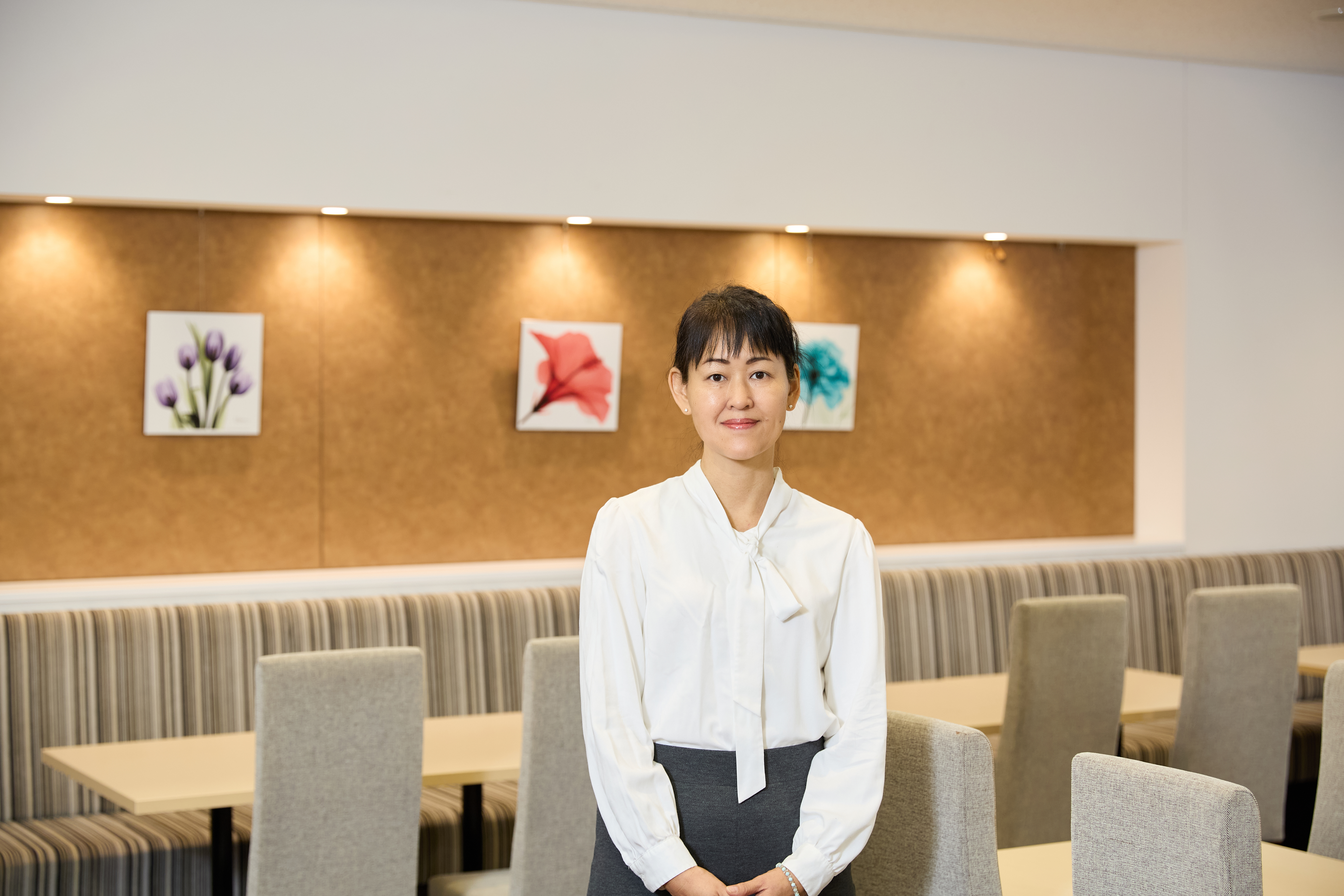
As an editor of "Zexy," she has a broad and deep understanding of the bridal market.
After joining the company, I started as a recruitment-related sales position at the Kobe and Kansai branches, and experienced various jobs such as secondment to a staffing company and product planning for new graduate recruitment. And in the fourth year, I raised my hand and applied for an editorial position at the Tokyo headquarters for the comprehensive marriage information magazine "Zexy". The editor-in-chief, who was one of the bosses of the Kansai branch, was a respectable person full of passion for his work, and he had been working in Kansai for a long time, and he supported my desire to challenge the huge market in the metropolitan area. The goal is to be an editor who thinks close to the customer (customer). Rather than being interested in marriage and bridal culture, I wanted to move in search of an environment called the editorial department of "Zexy". This is now connected to my professional field as a university faculty member and research, so this was also the same "fate" as university and employment.
I worked in the editorial department of "Zexy" for a total of about 7 years. It may seem that monthly magazines for marriage and bridal develop articles on the same theme every year, but in fact, the trend changes every year even on the same theme such as weddings, honeymoons, and manners, and readers change every year. In order to accurately reflect such readers and changes in trends in our articles, the editorial department conducted group interviews with our readers almost every month. It was difficult, but I felt fulfilled because I was able to work on editing work that was close to the customers I wanted. Eventually, I was entrusted with the editor-in-chief of the overseas and domestic resort wedding areas.
After that, I will leave the company and go to Graduate School. Recruit has a corporate culture of quitting the company and stepping up, and I wanted to take the next step. A big push for this was that the hotel manager, a customer who was taking care of me at work, advised me, "If you're thinking of stepping up, why don't you go to Graduate School?"
Graduate School studied more than when I was a university student. After all, it was fun to relearn after working experience. There were also interactions with young classmates and working people with experience in various industries. Moreover, it was almost one-on-one with the Professor in charge of the Research Office, and thanks to that, I could feel the teacher's attitude and passion for working on research. Without that experience, I probably wouldn't have been able to become a research person, and I wouldn't have been able to teach students Bachelor’s Thesis the way I do now.
The theme of Master’s Thesis is "Motivation for tourism to Hawaii among Japan international travelers". Graduate School After graduating, I gained experience as a freelancer in bridal and tourism policy planning and advice, market research, and also served as a wedding advisor for the Hawaii State Tourism Bureau, which is also a popular honeymoon destination for Japan.
I worked in the editorial department of "Zexy" for a total of about 7 years. It may seem that monthly magazines for marriage and bridal develop articles on the same theme every year, but in fact, the trend changes every year even on the same theme such as weddings, honeymoons, and manners, and readers change every year. In order to accurately reflect such readers and changes in trends in our articles, the editorial department conducted group interviews with our readers almost every month. It was difficult, but I felt fulfilled because I was able to work on editing work that was close to the customers I wanted. Eventually, I was entrusted with the editor-in-chief of the overseas and domestic resort wedding areas.
After that, I will leave the company and go to Graduate School. Recruit has a corporate culture of quitting the company and stepping up, and I wanted to take the next step. A big push for this was that the hotel manager, a customer who was taking care of me at work, advised me, "If you're thinking of stepping up, why don't you go to Graduate School?"
Graduate School studied more than when I was a university student. After all, it was fun to relearn after working experience. There were also interactions with young classmates and working people with experience in various industries. Moreover, it was almost one-on-one with the Professor in charge of the Research Office, and thanks to that, I could feel the teacher's attitude and passion for working on research. Without that experience, I probably wouldn't have been able to become a research person, and I wouldn't have been able to teach students Bachelor’s Thesis the way I do now.
The theme of Master’s Thesis is "Motivation for tourism to Hawaii among Japan international travelers". Graduate School After graduating, I gained experience as a freelancer in bridal and tourism policy planning and advice, market research, and also served as a wedding advisor for the Hawaii State Tourism Bureau, which is also a popular honeymoon destination for Japan.
From quitting his job to "relearning" to becoming a university professor and research
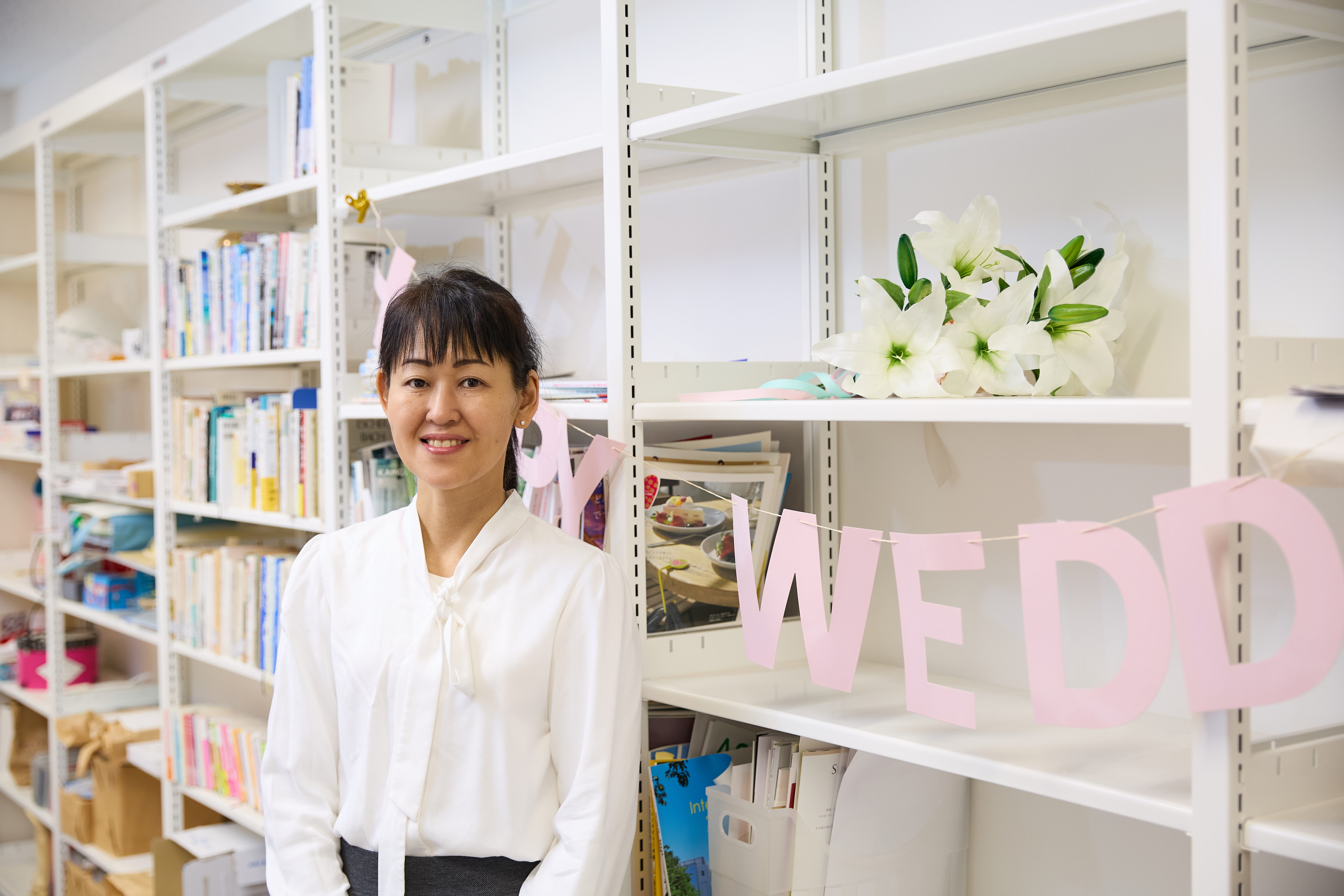
Since becoming a professor at Asia University, I have also been conducting research into the views on love and marriage of the younger generation, who are similar to the students I teach.
When browsing the internet, I often come across information that says, "Younger generations are reluctant to get married." But is that really true? Every year, I ask my first-year students, "Do you want to get married? Or not?" and about 85% of them answer, "I want to get married." Regardless of whether they're at our university or not, young people are by no means negative about marriage. And even if they're both reluctant, "not being able to get married" and "not wanting to get married" are completely different things.
Today's students are very earnest, and men say they can't take the plunge into marriage if they have student loan debts or other such things, as it would be a burden to their partner. On the other hand, the majority of women would like to get married if the person they love proposes to them. While there are trends regarding love and marriage, perhaps the fundamental views of men and women on love and marriage have remained surprisingly unchanged since the Showa generation. To earnest male students who have trouble proposing, I would say, "You two can just work hard together to pay off your debts. If you don't propose when you have the pure desire to be with this person forever and you really want to get married, you'll never get married" (laughs).
As research, I believe that providing these serious men (and of course women) with the "opportunities" and "places" to propose will become important for the bridal industry in the future. I intend to continue thinking about this topic in the future while listening to the opinions of students in my classes and seminars.
In recent research, I wrote a paper on the topic of "Has the COVID-19 pandemic changed young people's views on romance and marriage?" For this research, I conducted a wide-ranging online survey of unmarried men and women (aged 25-39). Since the state of emergency was declared in 2020, I believe many people have become tired of meeting people while refraining from going out. My survey results also showed an increase in the number of people who feel that romance and marriage are bothersome and they have lost interest. At the time, "online wedding" services also emerged. However, when I spoke with wedding venue owners, I learned that the number of weddings is returning to pre-COVID-19 levels. Going forward, I believe we will see a decline in the traditional style of large guest invitations, with a trend toward family-only ceremonies and more casual settings. However, the wedding business is by no means in decline, and I believe that new business opportunities will emerge by creating ideas to provide young couples with opportunities and places to experience their happiness, including domestic and international destination weddings.
When browsing the internet, I often come across information that says, "Younger generations are reluctant to get married." But is that really true? Every year, I ask my first-year students, "Do you want to get married? Or not?" and about 85% of them answer, "I want to get married." Regardless of whether they're at our university or not, young people are by no means negative about marriage. And even if they're both reluctant, "not being able to get married" and "not wanting to get married" are completely different things.
Today's students are very earnest, and men say they can't take the plunge into marriage if they have student loan debts or other such things, as it would be a burden to their partner. On the other hand, the majority of women would like to get married if the person they love proposes to them. While there are trends regarding love and marriage, perhaps the fundamental views of men and women on love and marriage have remained surprisingly unchanged since the Showa generation. To earnest male students who have trouble proposing, I would say, "You two can just work hard together to pay off your debts. If you don't propose when you have the pure desire to be with this person forever and you really want to get married, you'll never get married" (laughs).
As research, I believe that providing these serious men (and of course women) with the "opportunities" and "places" to propose will become important for the bridal industry in the future. I intend to continue thinking about this topic in the future while listening to the opinions of students in my classes and seminars.
In recent research, I wrote a paper on the topic of "Has the COVID-19 pandemic changed young people's views on romance and marriage?" For this research, I conducted a wide-ranging online survey of unmarried men and women (aged 25-39). Since the state of emergency was declared in 2020, I believe many people have become tired of meeting people while refraining from going out. My survey results also showed an increase in the number of people who feel that romance and marriage are bothersome and they have lost interest. At the time, "online wedding" services also emerged. However, when I spoke with wedding venue owners, I learned that the number of weddings is returning to pre-COVID-19 levels. Going forward, I believe we will see a decline in the traditional style of large guest invitations, with a trend toward family-only ceremonies and more casual settings. However, the wedding business is by no means in decline, and I believe that new business opportunities will emerge by creating ideas to provide young couples with opportunities and places to experience their happiness, including domestic and international destination weddings.
Know yourself. Know others. Know society.
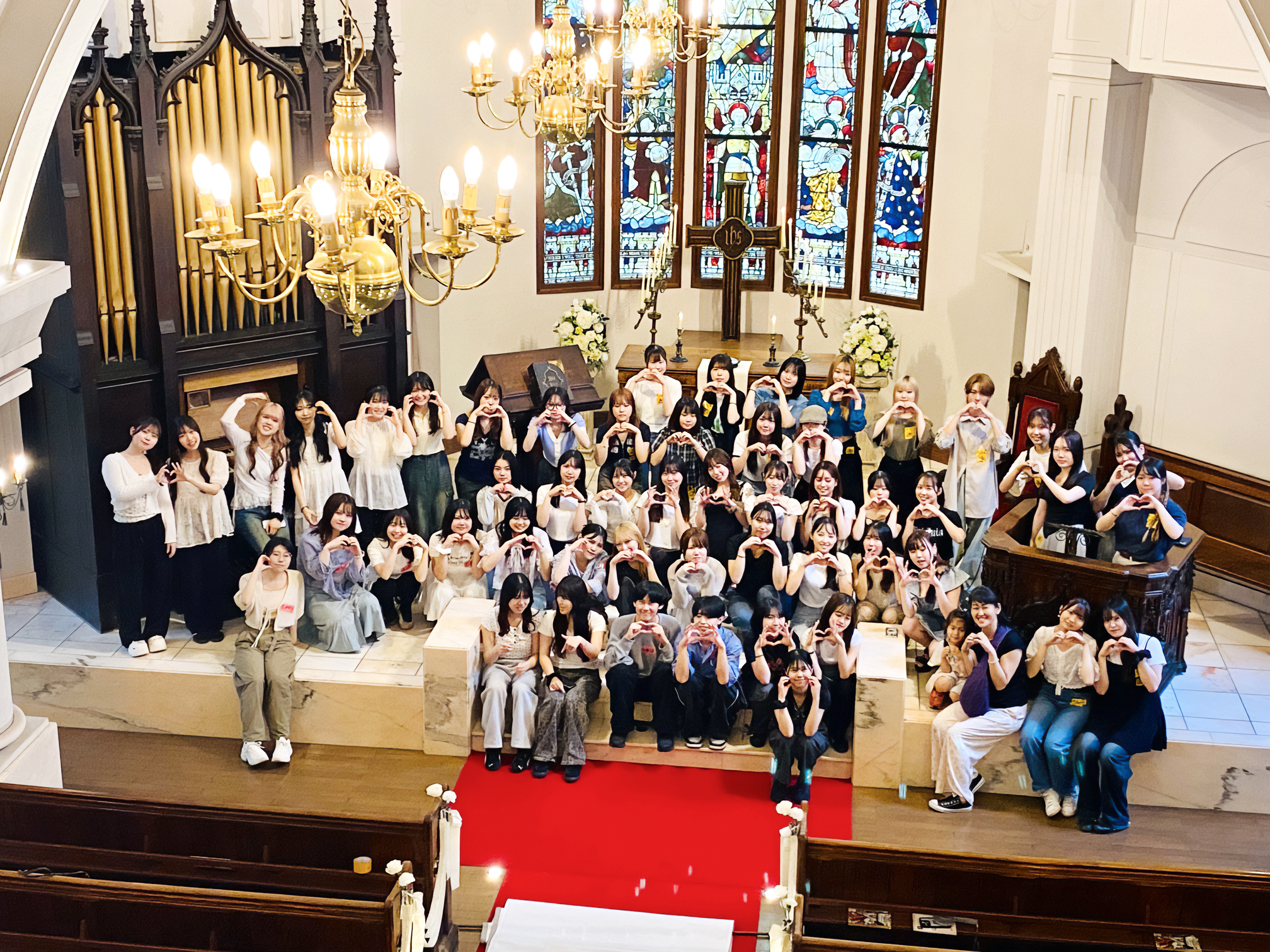
As a university professor, I draw on my own experience to encourage students to not only study, but also fully enjoy part-time jobs, hobbies, and romance. In seminars and Seminar from the second year onward, I focus on honing each student's sensibilities and developing their thinking skills. First, I want them to develop their reading skills as university students. In the first semester of their second year, I have them Seminar one book of their choice per week for six months, regardless of genre. Next, I have them present the book's appeal and merits, pretending to be a PR representative for a publishing company. In other words, input and output. While today's students often read books on their smartphones, I'm from the print generation and know the benefits of it. I want the younger generation to experience the knowledge gained from reading on paper. When a student tells me, "Professor, I've come to love reading books," I can't help but pump my fists!
In the second half of the year, instead of self-analysis, students are asked to do "other-analysis." As they analyze each other in groups, they realize that the image they have of themselves is different from the image others have of them. This allows them to gain a new perspective on how to look at themselves.
From their third year onward, seminar students, who have gained experience in reading and thinking skills and in getting to know themselves and others, interact with society and working people through industry-academia collaborations with tourism and bridal-related companies in their practical Practicum, where they are challenged with projects aimed at solving specific corporate problems. In some cases, the students' ideas have actually been realized, and I myself am always inspired by their innovative ideas. I am also delighted that alumni, including those from my seminar, often come to visit Research Office; they are always welcome! I want it to be a place where they can "return" to find relief when they are facing various difficulties in society. In fact, many of our alumni are active in the tourism and bridal industries.
Finally, I have a message for those about to enter university. At university, you have the freedom to try anything you want, and the freedom to decide your own future, something that you don't have in high school or society. This may be the most important time in your life. It's okay if things don't go smoothly. Even if you fail or get lost at times, make the most of your four years.
In the second half of the year, instead of self-analysis, students are asked to do "other-analysis." As they analyze each other in groups, they realize that the image they have of themselves is different from the image others have of them. This allows them to gain a new perspective on how to look at themselves.
From their third year onward, seminar students, who have gained experience in reading and thinking skills and in getting to know themselves and others, interact with society and working people through industry-academia collaborations with tourism and bridal-related companies in their practical Practicum, where they are challenged with projects aimed at solving specific corporate problems. In some cases, the students' ideas have actually been realized, and I myself am always inspired by their innovative ideas. I am also delighted that alumni, including those from my seminar, often come to visit Research Office; they are always welcome! I want it to be a place where they can "return" to find relief when they are facing various difficulties in society. In fact, many of our alumni are active in the tourism and bridal industries.
Finally, I have a message for those about to enter university. At university, you have the freedom to try anything you want, and the freedom to decide your own future, something that you don't have in high school or society. This may be the most important time in your life. It's okay if things don't go smoothly. Even if you fail or get lost at times, make the most of your four years.
Related Links
- Faculty of Business Administration TOP
- Faculty of Business Administration Department of Hospitality Management
- Faculty of Business Administration Four Years of Hospitality Management
- Faculty of Business Administration Administration, Department of Hospitality Management Course Introduction
- Seminar, Faculty of Business Administration Administration
- Faculty Faculty of Business Administration, Department of Hospitality Management